
Last updated November 15, 2026
 Farm & ranch
 Wrought iron
 Wood & steel frame
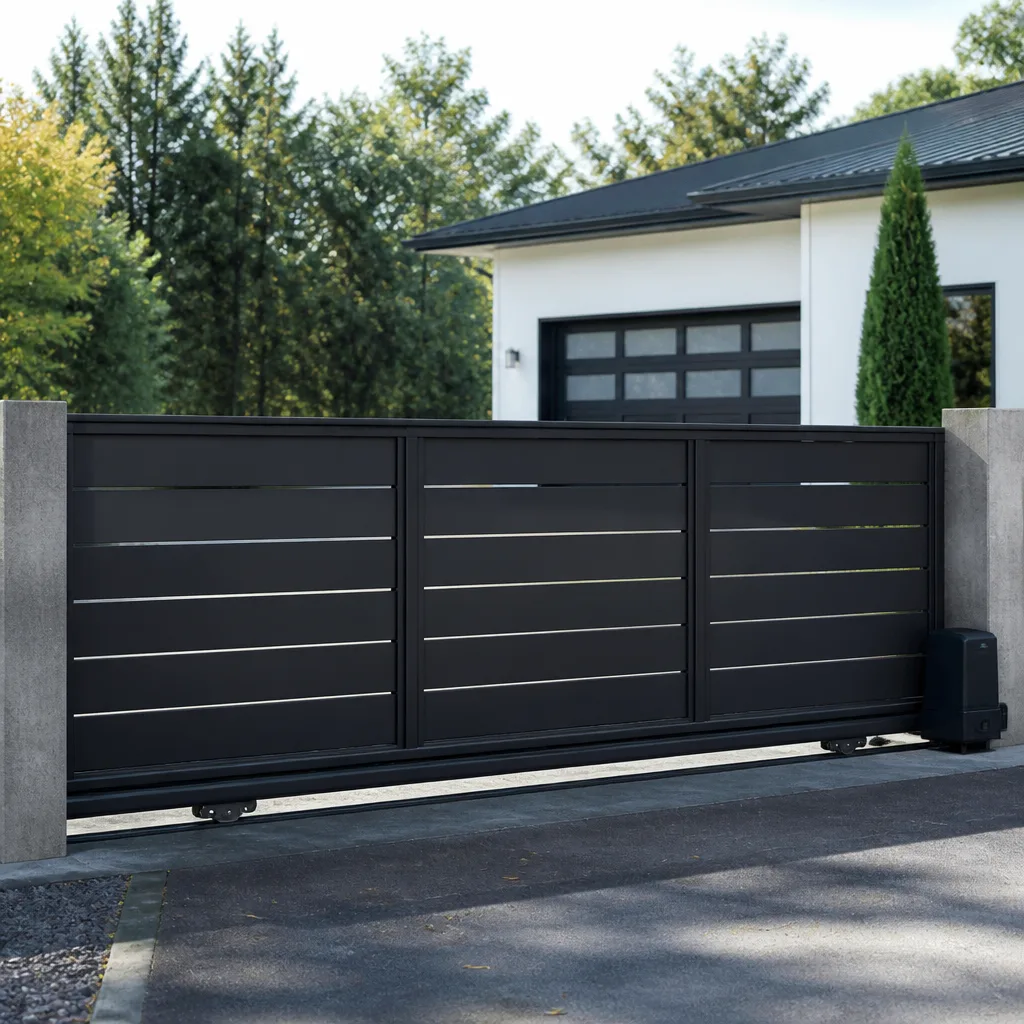 Sliding driveway gates
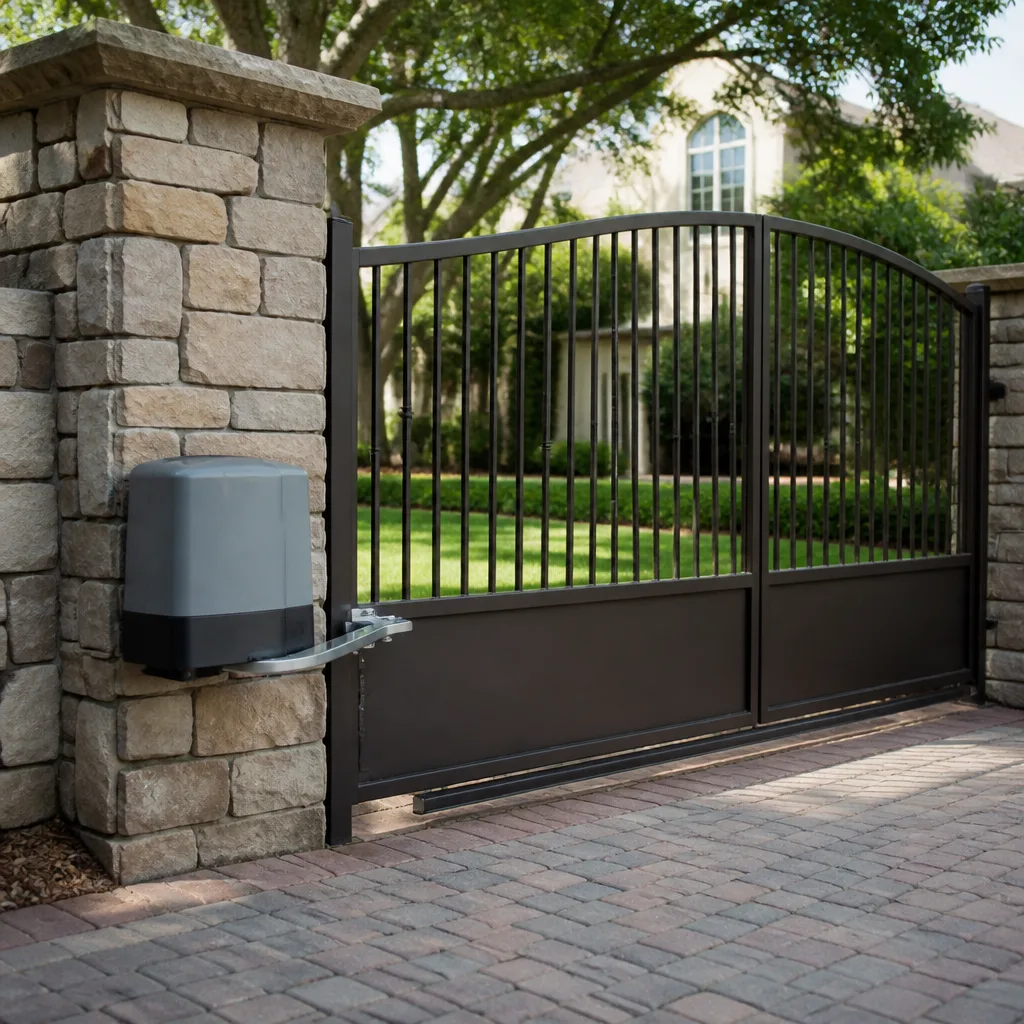 LiftMaster operators
Free on-site gate assessment - hinges, posts, and your LiftMaster or Nice gate operator checked before anything is quoted
The assessment is free and the quote is the invoice.
Get your free estimateGate Repair Maintenance Checklist for Highlands Ranch Homeowners
At 5,800 feet, UV radiation degrades gate coatings and rubber components roughly 20% faster than at sea level, yet most gate maintenance guides are written for coastal California and treat sun damage as an afterthought. Highlands Ranch sits high on the Front Range, where intense sunlight, rapid freeze-thaw cycles, and subdivision design standards shape how a gate wears out. A checklist built for a mild coastal climate misses the things that actually break gates here. This guide walks you through a maintenance schedule calibrated to Highlands Ranch conditions: what to inspect, when to inspect it, which products are safe around masonry and stone pillars, and how to document everything for warranty and HOA purposes.
Quick Answer
A gate maintenance checklist for Highlands Ranch should cover UV coating inspection on powder-coated and painted iron, freeze-thaw checks during the months when ground movement peaks, HOA-safe lubrication, and seasonal electric operator battery and sensor checks tied to Colorado’s spring and fall temperature swings. Inspect monthly in the dry months, deeply after each freeze-thaw period, and document every check with photos and dates. When anything involves the operator’s wiring, a binding gate panel, or a slide gate off its track, bring in a trained technician rather than working on it yourself.
Styles & brands we work with
- Wrought iron
- Wood & steel frame
- Farm & ranch
- Sliding driveway gates
- LiftMaster operators
Table of Contents
- Why UV Coating Inspection Comes First in Highlands Ranch
- Freeze-Thaw Checklist for Front Range Ground Movement
- HOA-Compliant Lubrication Around Masonry and Stone Pillars
- Electric Operator Battery and Sensor Checks
- The Monthly Walkthrough: A Step-by-Step Routine
- How to Document Maintenance for Warranty and HOA Records
- Hardware, Hinges, and Track Inspection
- Safety: What You Should Never Adjust Yourself
Why UV Coating Inspection Comes First in Highlands Ranch
Coating failure is the first thing to catch on a Highlands Ranch gate, and it’s the item most generic checklists skip entirely. At this elevation the sun is stronger, the dry air is thinner, and powder coat and paint break down faster than they do at lower altitudes. Once the coating fails and bare metal is exposed, rust starts at the edges and welds, and repairs climb from touch-up to re-welding.
Coatings aren’t the only victims. Rubber seals, gaskets, and bushings on electric operators dry and crack early here too, which is why a UV inspection should look past the paint to the flexible parts of the system.
What to check on a powder-coated or painted iron gate
- Run your hand along the top rail and every horizontal surface where sun lands flat. Chalky residue or a dull patch means the coating is oxidizing.
- Look at welds and gate corners. These are where water and sun attack first and where rust shows up before it spreads.
- Check the bottom rail near the ground for bubbling paint, a sign moisture has gotten under the coating.
- Inspect rubber bumpers, gaskets, and any exposed wiring jacket on the operator for cracking or fading.
- Note any spot where bare metal is showing. A small touch-up now is far cheaper than a re-coat or a weld repair later.
Do this inspection on a dry, mild day and photograph every problem area. In our experience, gates on south- and west-facing driveways in Highlands Ranch show coating wear first because they take the strongest afternoon sun. If you find rust that’s eaten through a weld or bubbling that runs along a whole seam, that’s a gate repair job rather than a touch-up, and it’s worth having a technician look before the next season.
Freeze-Thaw Checklist for Front Range Ground Movement
Ground movement along the Front Range peaks in late winter and early spring, and again in late fall, when temperatures swing above and below freezing in the same day. Water gets into soil around posts and hinges, freezes, expands, and thaws, and that cycle repeats. Over a season it can shift a post, stress a hinge, and throw a swing gate out of alignment.
The practical rule: a deep freeze-thaw inspection belongs after the ground thaws in spring and before the hard freezes set in during fall. Those are the two windows when movement is most active and when catching a shifted post is easiest.
Freeze-thaw inspection items
- Open the gate by hand and watch for sagging at the latch or a gate that drags on the ground. Sag is the earliest sign a post has moved.
- Check post bases and concrete footings for cracks, heaving, or soil pulling away from the base.
- Look at the gap between a sliding gate and its track. A gap that changes from season to season signals the track or footing has shifted.
- Test every hinge and latch for stiffness or grinding that wasn’t there before the freeze.
- Inspect any exposed wiring near posts for pinching or abrasion caused by soil movement.
Small alignment issues that show up in spring often resolve on their own once the ground settles. Don’t over-correct a gate that’s only slightly off until the soil stabilizes, but do note it and re-check in a few weeks. If a gate binds, won’t latch, or a slide gate has shifted off its track, stop using the operator and call a specialist. A heavy gate panel can crush a person or an animal when an out-of-alignment gate or a failing operator lets go.
HOA-Compliant Lubrication Around Masonry and Stone Pillars
Many Highlands Ranch subdivisions use stone or brick pillars and decorative masonry near the gate line, and the wrong lubricant will stain or discolor that masonry permanently. Standard spray greases and many general-purpose oils are exactly the products to avoid on hardware mounted near stone. Your lubrication choices need to be HOA-friendly as well as functional.
The right and wrong products
- Use: a dry-film or white lithium grease on hinges, latches, and tracks where it won’t fling off onto masonry. A silicone-based spray is a good choice for guide rollers and light-duty pivot points.
- Avoid: heavy black grease, oil-based sprays that drip, and anything that will track onto stone or brick and darken it over time.
- Avoid over-lubrication: a thick coat attracts dust and grit, which turns into an abrasive paste and wears parts faster. A light film is enough.
- Wipe thoroughly: any excess that could fling or run onto nearby pillars gets wiped clean before the gate is used.
A basic lubrication schedule
- Apply a light dry-film or lithium grease to hinges and latches monthly in dry weather and more often if the gate is used many times a day.
- Lubricate slide-gate tracks with a product that leaves a dry film, not a wet coat that will collect grit.
- Check the operator manufacturer’s guidance. Our technicians are familiar with operator systems from LiftMaster, DoorKing, and Mighty Mule, and lubrication points differ by brand and model.
- After every application, cycle the gate by hand once and watch for any drip or spray onto masonry.
If you’re unsure which product is right for your hardware, especially with a commercial-grade operator, a quick call is worth more than a guess. The wrong lubricant on a $2,000 operator can cost far more than the product it replaced.
Electric Operator Battery and Sensor Checks
Electric operators in Highlands Ranch face a specific pattern: batteries fade in the cold, sensors drift as temperatures swing, and a system that worked all summer starts acting up in the first cold snap. Colorado’s spring and fall bring large day-to-night temperature swings, and those are the times when a weak battery or a misaligned sensor shows up as a gate that won’t open on command.
Battery and power checks
- Test the battery or battery backup before the fall cold sets in and again after spring. A battery that held a charge in summer may not in winter.
- Look for a battery that’s swollen, leaking, or shows corrosion at the terminals. Replace it rather than trying to revive it.
- Confirm the operator powers on cleanly and completes a full open-and-close cycle without stalling.
- Check any solar panel or charging circuit for a blocked or dirty surface, especially on battery-powered residential systems like many Mighty Mule and LiftMaster units.
Sensor and safety checks
- Clean the photo-eye lenses and any safety-edge surface of dust, dirt, and spider webs. Sensors fail more often from obstruction than from hardware failure.
- Test the safety reversal by blocking the beam or pressing the safety edge while the gate is closing. The gate should stop and reverse.
- Check that sensor brackets are tight and that the beam lines up across the drive. A bracket loosened by freeze-thaw movement is a common cause of “phantom” reversals.
- Test the remote and any keypad entry system against the operator’s limits.
- If the gate reverses, stops partway, or ignores commands, don’t keep hitting the remote. It could be a sensor, a limit setting, or a control-board fault, and only a technician should open the operator control box.
An operator that misbehaves in the first cold week is usually telling you something. Our technicians have up to experience diagnosing electric operator faults by system knowledge rather than guesswork, which is why a proper electric gate repair call is faster than trial and error with the remote.
The Monthly Walkthrough: A Step-by-Step Routine
A monthly walkthrough catches the small things before they turn into repairs. It’s a 15- to 20-minute routine you can do yourself, and it’s the single most useful habit for any gate in Highlands Ranch. Do it in daylight on a dry day, and take photos each time.
What a monthly walkthrough covers
- Walk the gate line. Look for any change since last month: new rust, a fresh crack, a sagging post, a gate that drags.
- Open and close by hand, if the gate is manual. Feel for binding, grinding, or a latch that’s harder to catch than it was.
- Cycle an electric gate once and watch. Note whether it opens and closes smoothly, whether it reverses, and whether the speed or sound changed.
- Inspect the coating and hardware. Check the top rail, welds, corners, and rubber parts for UV wear and cracks.
- Lubricate light-duty parts. Apply a light dry-film or lithium grease to hinges and latches, wiping any excess.
- Clean the sensors and safety edges. Wipe lenses and check brackets are tight.
- Photograph and date everything. Store the photos with your maintenance notes so you have a running record.
Add a deeper layer to the walkthrough after each freeze-thaw period: re-check post bases, footing cracks, and gate alignment, and test the operator’s full cycle more carefully. The monthly walkthrough keeps the gate healthy; the seasonal deep check keeps the structure in line.
How to Document Maintenance for Warranty and HOA Records
Maintenance records pay off in two situations: warranty claims and HOA compliance requests. A well-kept log shortens both conversations. In our experience, homeowners who can show a documented maintenance history resolve warranty issues and HOA questions far faster than those who can’t.
What to keep in a maintenance log
- Date and time of each inspection and service call.
- What was checked, in plain language: “coating inspection,” “hinge lubrication,” “sensor cleaning,” “post alignment check.”
- What was found and what was done about it.
- Photos before and after, dated and labeled.
- Receipts and written estimates from any professional visit, including the operator brand and model if work was done on the system.
- Product names and dates for any lubricant or touch-up product you applied yourself.
Format that works for both purposes
- Keep a single folder, digital or physical, labeled by gate and by year.
- Name each photo with the date and the part, such as “gate-top-rail-0415.”
- Attach any HOA correspondence about the gate to the same folder so you can respond in one place.
- Keep a one-page summary of major repairs and operator service dates at the front.
Documentation is also useful when you’re considering a new gate. A log tells a specialist exactly what the gate has been through, which shortens diagnosis. If you’re tempted to replace rather than repair, a Highlands Ranch-specific look at your gate’s condition is the right first step; our gate installation work covers the full replacement path if repair no longer makes sense.
Hardware, Hinges, and Track Inspection
Hardware is where small looseness becomes real movement. Hinges, latches, rollers, and tracks take constant load, and any one of them going slack stresses the others. A loose hinge on a heavy panel can crack a post over time. On a slide gate, a worn roller or a bent track can drop a panel off its rail, and that’s a hazard, not just an annoyance.
Hardware inspection checklist
- Hinges: check bolts are tight and the hinge plates aren’t cracked. A hinge that grinds or squeaks louder than last month needs attention.
- Latches and catches: confirm the latch engages smoothly and the gate doesn’t need to be lifted to close. A latch that needs lifting signals the gate has dropped.
- Slide-gate rollers and tracks: look for flat spots on rollers, debris on the track, and any bend or misalignment. Keep the track clear of grit and leaves.
- Posts and mountings: check bolts and brackets at the post are secure, especially after a freeze-thaw cycle.
- Fasteners throughout: a quick pass with a wrench on the visible bolts saves trouble. Don’t over-torque; snug is enough.
If any fastener is backing out repeatedly, stop tightening it. Something is moving that shouldn’t, and repeated tightening only hides a structural issue. A technician can tell whether the cause is a shifted footing, a worn hinge, or a panel that’s out of square.
Safety: What You Should Never Adjust Yourself
Some gate work is safe for a homeowner, and some isn’t. The line is clear: anything involving the operator’s wiring, power supply, control board, or the heavy panels and tracks of a slide gate belongs to a trained professional. Electric gates have 120-volt circuits, and a misplaced hand on live wiring is a shock hazard. Heavy panels that come off their track can crush a person or an animal, and a panel that falls is a genuine injury risk. Please don’t take those on.
What you can safely do is inspect, clean, lubricate light parts, test the safety reversal with the gate in view, and document what you find. What you should hand to a technician is opening the operator housing, wiring repairs, adjusting limit switches or control board settings, re-hanging or realigning a heavy panel, and anything on a gate that’s visibly come off its track. If a gate is binding, dragging, or making a new loud noise, stop operating it and call for help rather than running it to see what happens.
Common Mistakes to Avoid
- Using a coastal-climate checklist. A guide written for sea-level, high-humidity conditions misses the UV wear and freeze-thaw movement that dominate in Highlands Ranch. Use a checklist built for this elevation and these temperature swings.
- Over-lubricating. A thick coat of grease collects grit and becomes an abrasive paste. A light film on hinges and a dry-film product on tracks is the goal.
- Using a lubricant that stains masonry. Standard spray grease can permanently darken stone and brick pillars. Choose dry-film or silicone products near decorative masonry.
- Skipping freeze-thaw checks. The biggest alignment issues show up in late winter and early spring. Inspecting only in summer misses the movement.
- Ignoring sensor misalignment. A gate that reverses on its own usually has a blocked lens, a dirty safety edge, or a bracket loosened by ground movement, not a broken operator.
- Running a binding gate “to see what happens.” Operating a gate that’s dragging or misaligned can burn out the operator or send a panel off its track. Stop and call a technician.
- No maintenance records. A missing log makes a warranty claim or an HOA question harder to resolve. Photos and dates take seconds and pay off later.
See the difference
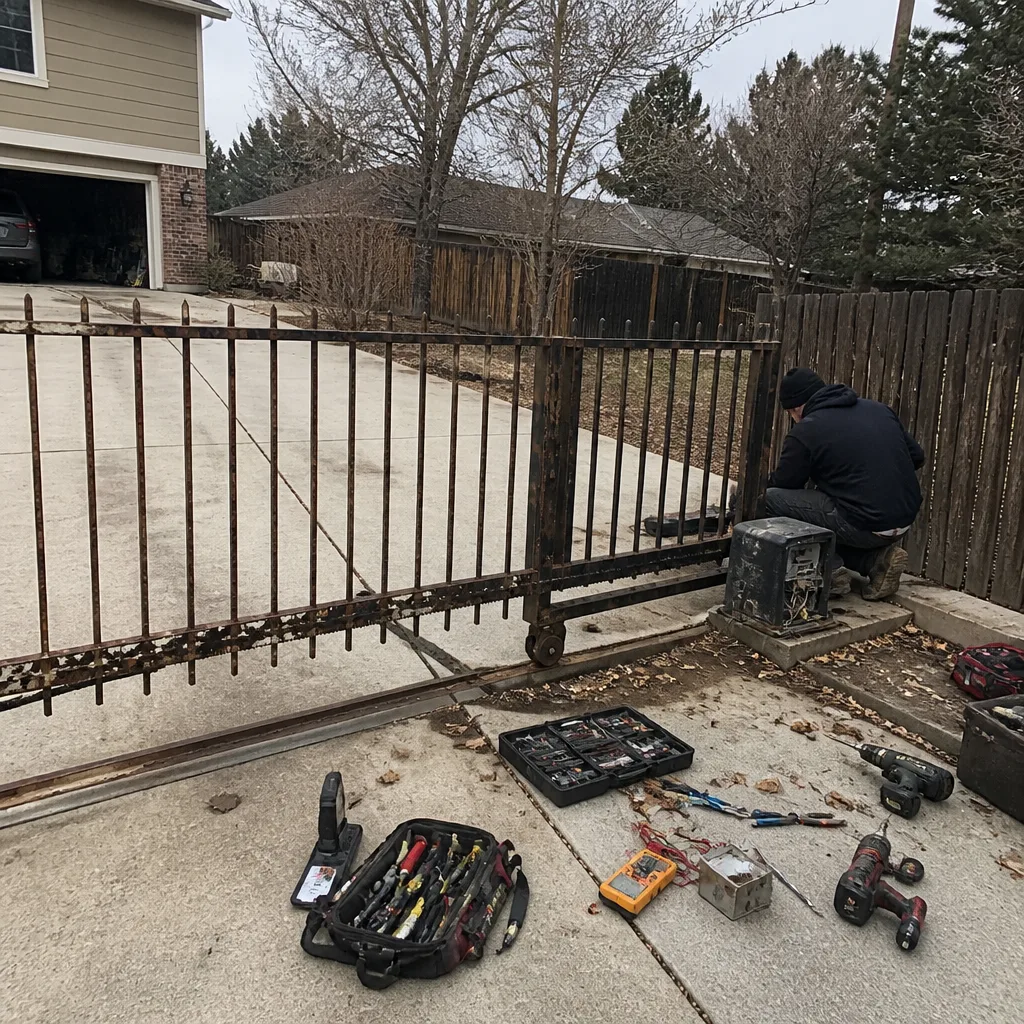 Before
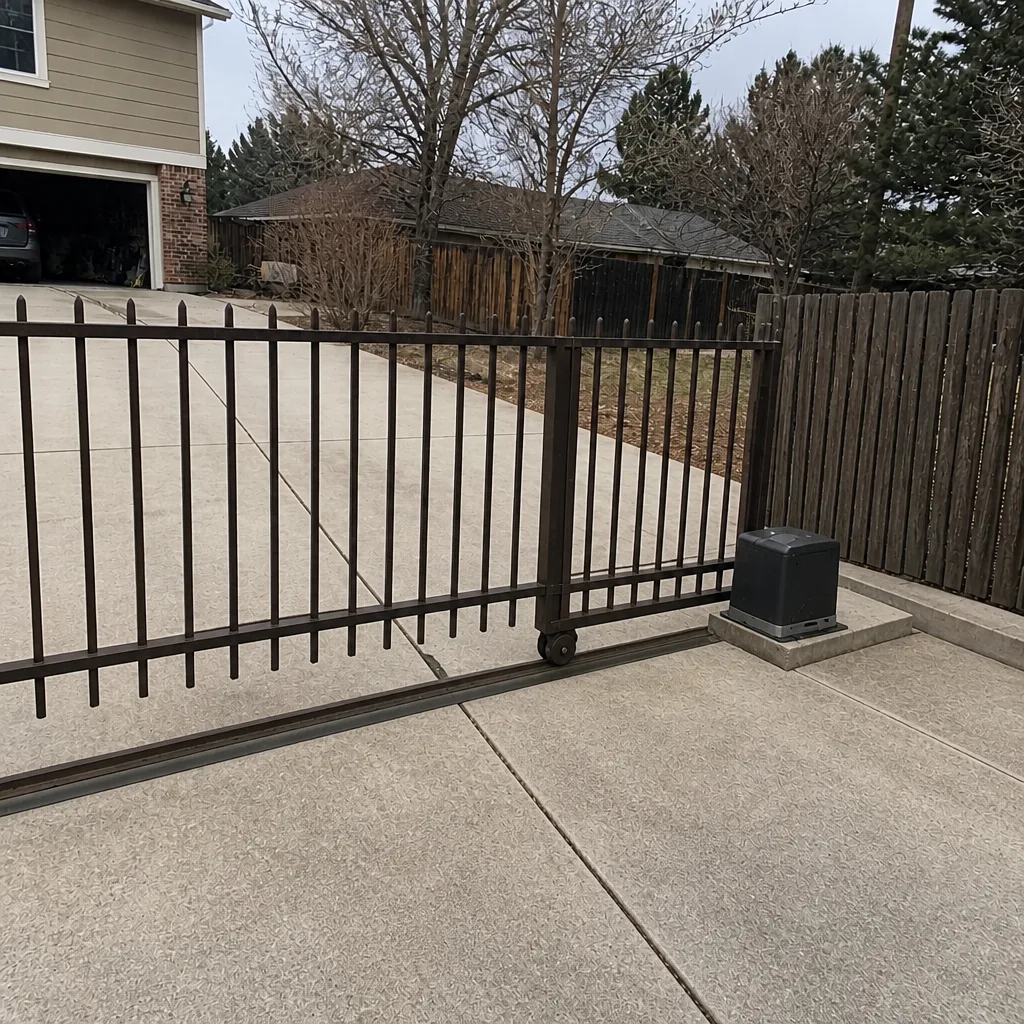 After
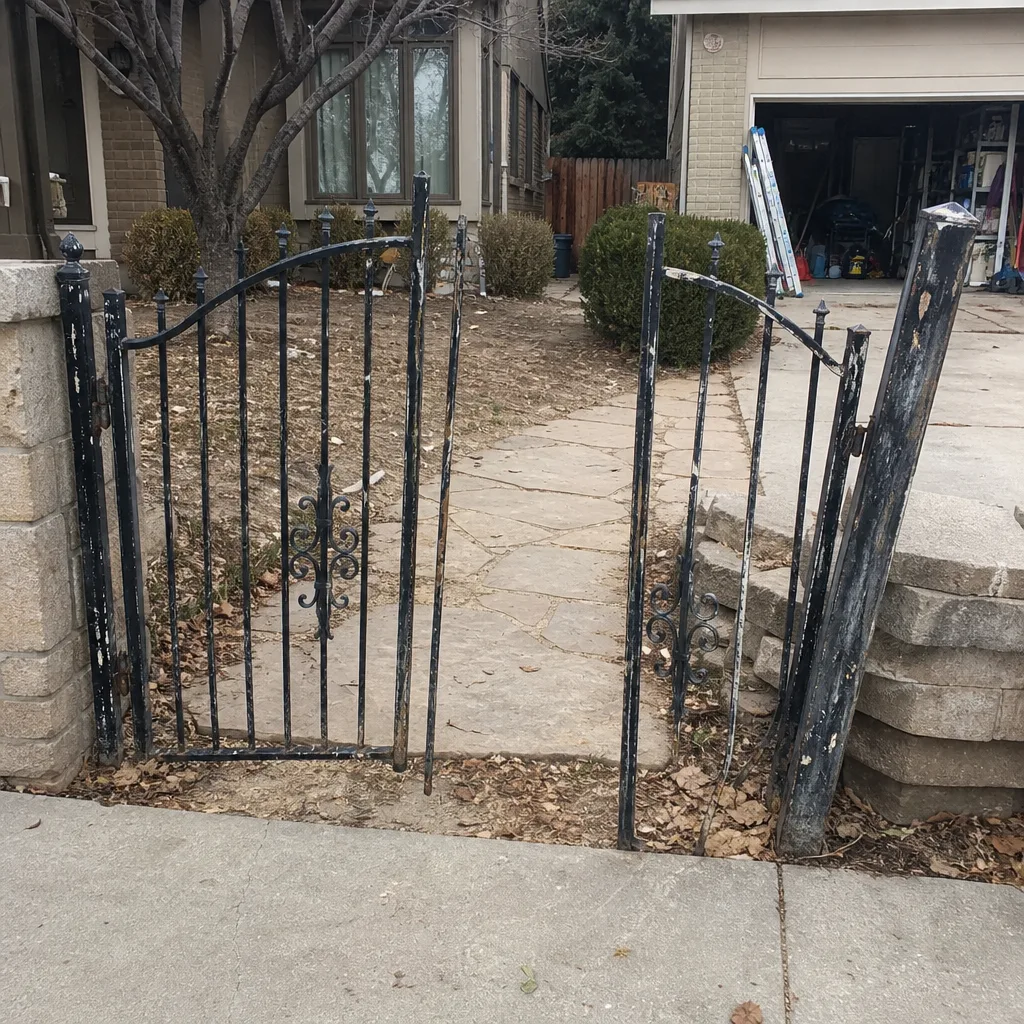 Before
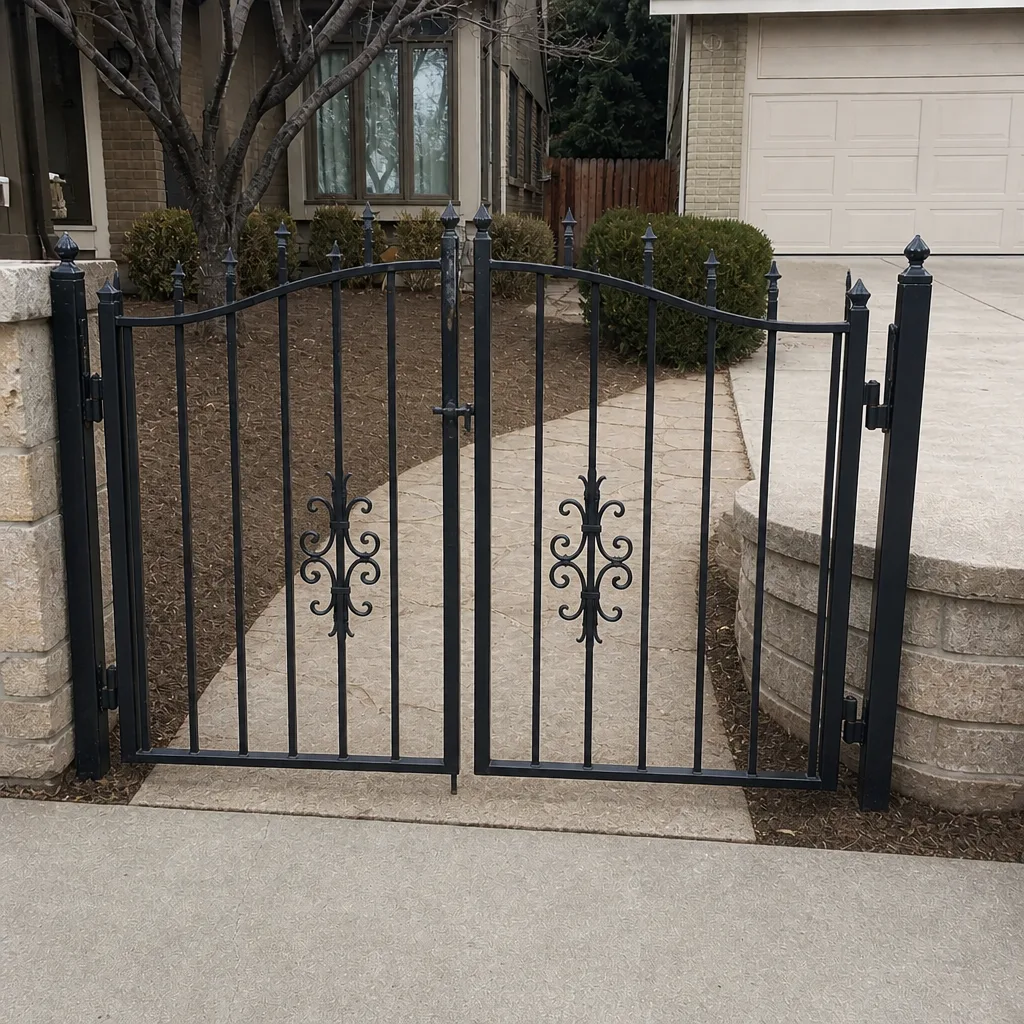 After
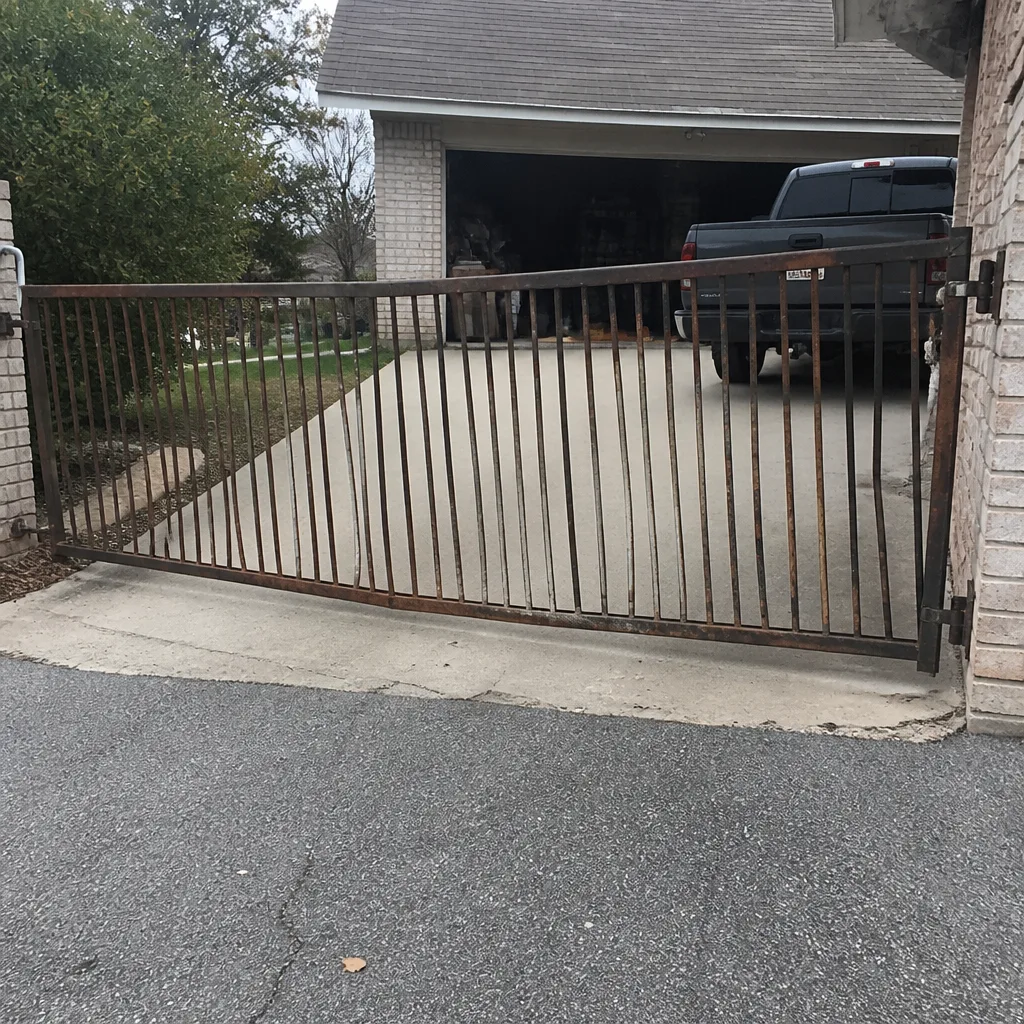 Before
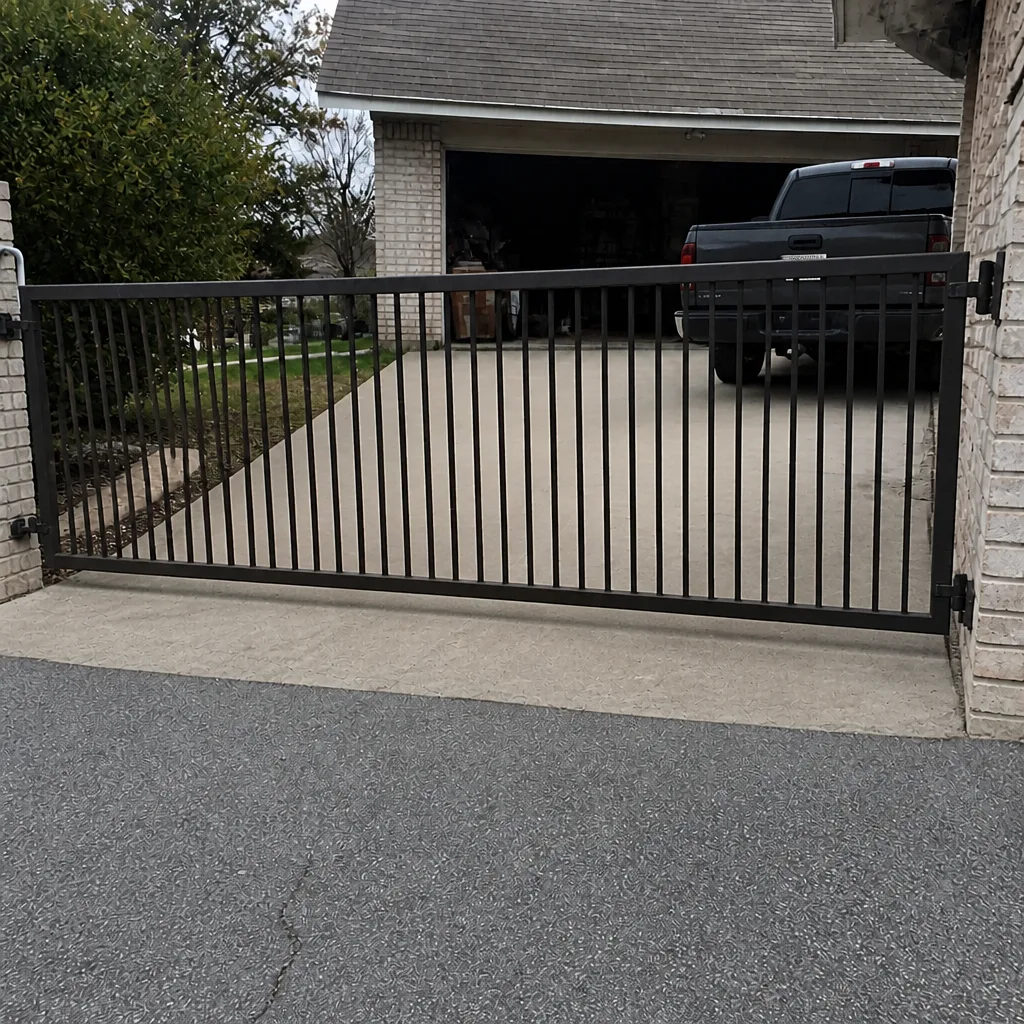 After
When to Call a Professional
Call a specialist when the gate is binding, won’t latch, sags visibly, or has a post that’s shifted. Call when a slide gate has come off its track or a heavy panel is loose. Call for anything involving the operator’s wiring, control board, or limit settings. And call if you’ve done the routine and the problem keeps coming back, because a recurring issue almost always has a structural cause. Stratford Gate Repair offers free estimates in Highlands Ranch – call (866) 509-8380. Our technicians work on the brand you already have, from residential systems like Mighty Mule and LiftMaster to commercial-grade units from DoorKing and Elite, and we’ll tell you whether a repair or a replacement makes sense. Call (866) 509-8380. We answer 24/7. Fast dispatch from 7am to 7pm, Sunday through Friday. The written estimate sets the price, and nothing gets done before you agree to it.
Frequently Asked Questions
Inspect monthly, with deeper checks after the spring thaw and before fall freezes. The monthly walkthrough catches coating wear and small looseness, while the seasonal deep checks are timed for ground movement and temperature swings. If your gate runs many times a day, shorten the interval.
Most often it’s a misaligned or blocked safety sensor, a dirty safety edge, or a bracket loosened by ground movement, not a failing operator. Cold weather makes sensor and control tolerances more noticeable. Clean the lenses, check the brackets, and test the safety reversal; if it still reverses, call a technician to check the operator setup.
Use a dry-film or white lithium grease on hinges and latches, and a silicone-based spray on light pivot points. Avoid heavy grease and oil sprays that drip or fling onto masonry. Wipe any excess before using the gate. If you have a commercial-grade operator, check its specific lubrication points with a technician.
No. A heavy slide gate off its track is a crush hazard, and getting it back on safely requires the right equipment and knowledge of the specific track and operator. Stop using the gate and call a specialist. The same goes for anything involving the operator’s wiring or control board.
Keep a single folder per gate per year with dated photos, a short log of what was checked and found, receipts, and any written estimates. Attach HOA correspondence to the same folder. A one-page summary of major repairs at the front makes both warranty and HOA conversations quicker.
Yes. We work on driveway gates for homeowners and access-controlled gates for HOAs, apartment complexes, and commercial properties. Our Stratford Gate Repair team services equipment from nine brands spanning residential and commercial applications, and one call covers diagnosis, repair, and installation if replacement is the better path.
The Bottom Line
Highlands Ranch gates wear differently from gates anywhere else, and a maintenance checklist built for this climate is the difference between small fixes and big repairs. Check coatings monthly for UV wear, re-inspect structure after every freeze-thaw period, choose HOA-safe products near masonry, and test operator batteries and sensors before each temperature swing. Document everything with photos and dates. Do the safe work yourself and hand wiring, heavy panels, and control adjustments to a trained technician. Call (866) 509-8380 for a free estimate. We answer 24/7 and dispatch from 7am to 7pm, Sunday through Friday.
Written by the team at Stratford Gate Repair.