
Last updated November 15, 2026
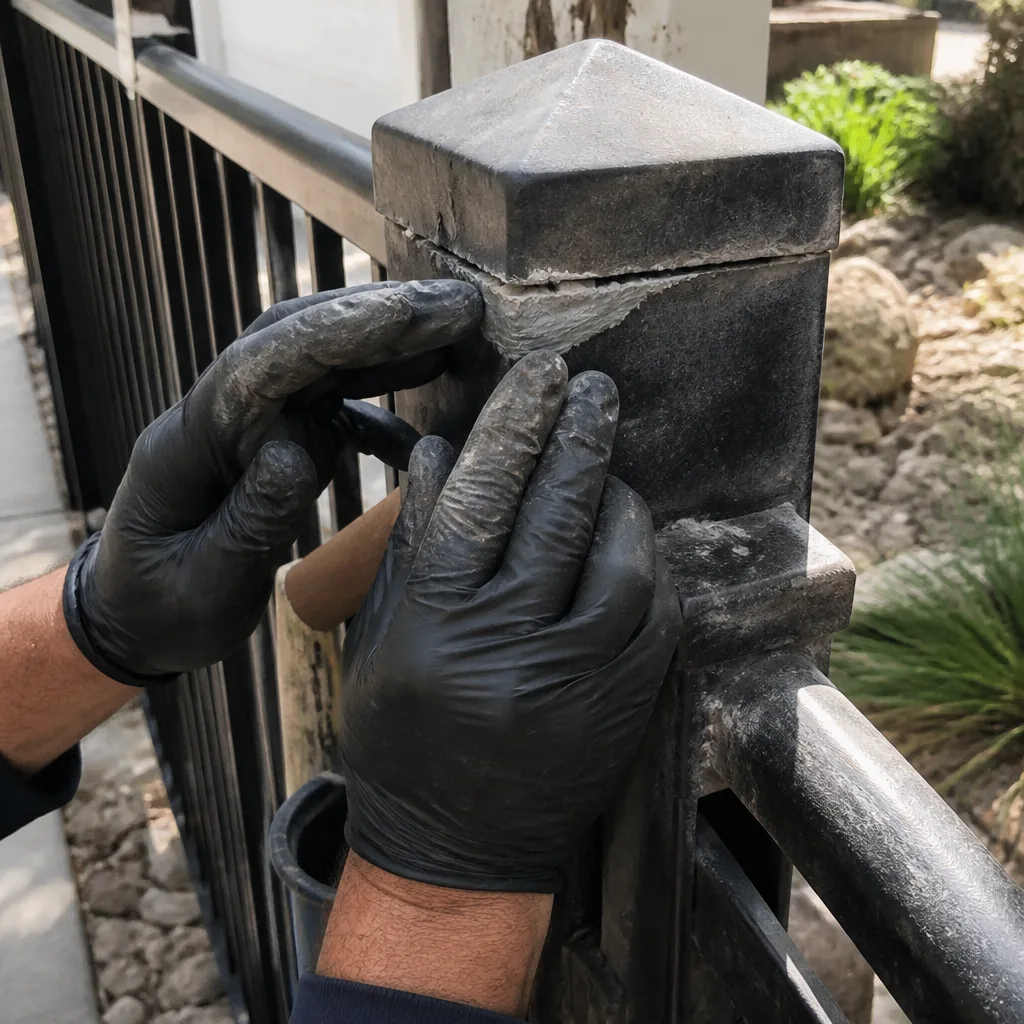
 Wrought iron
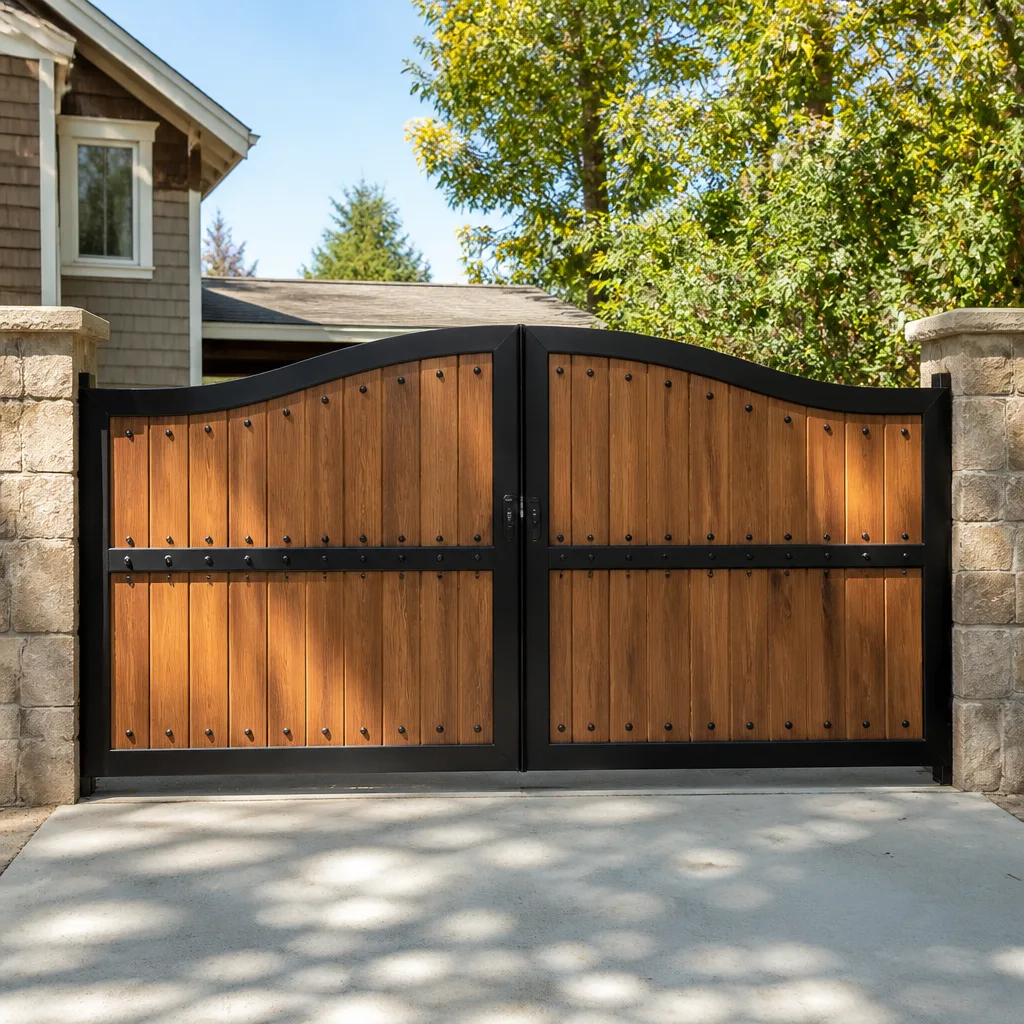 Wood & steel frame
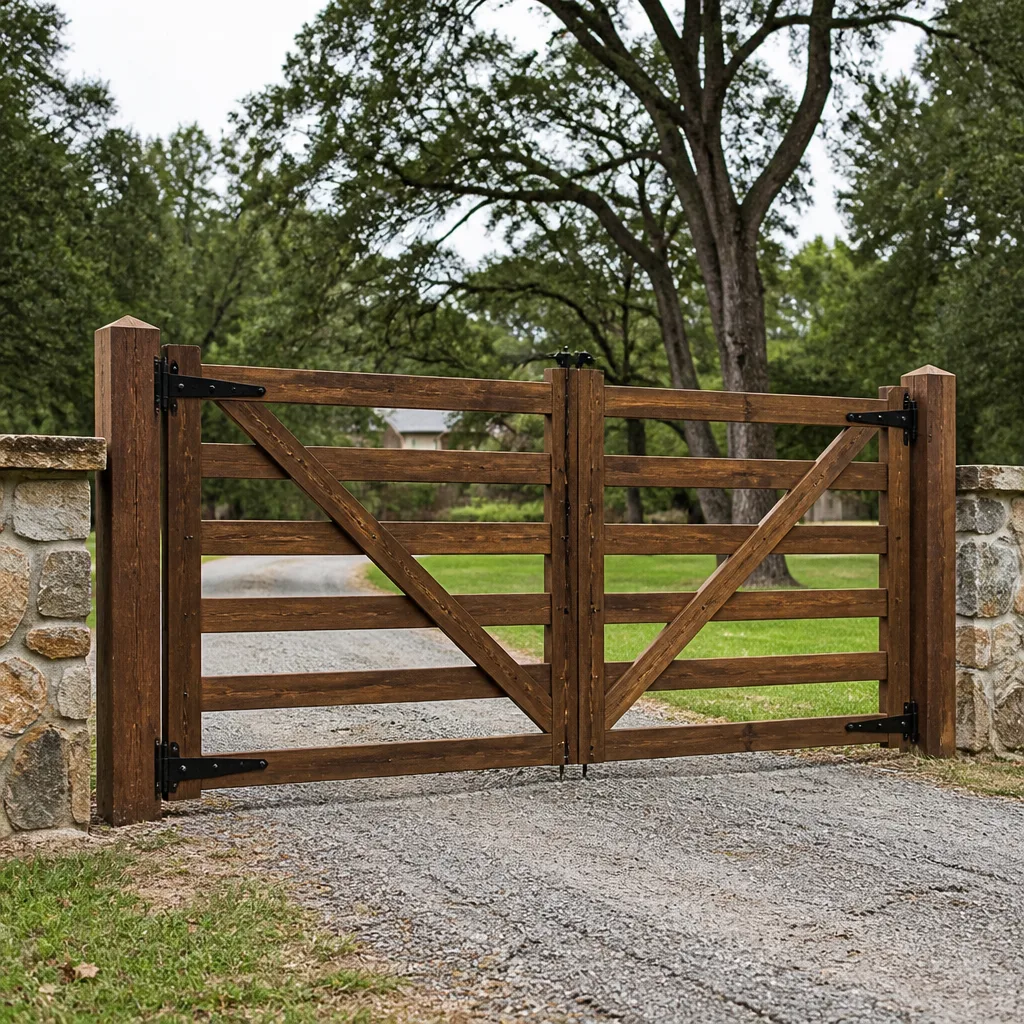 Farm & ranch
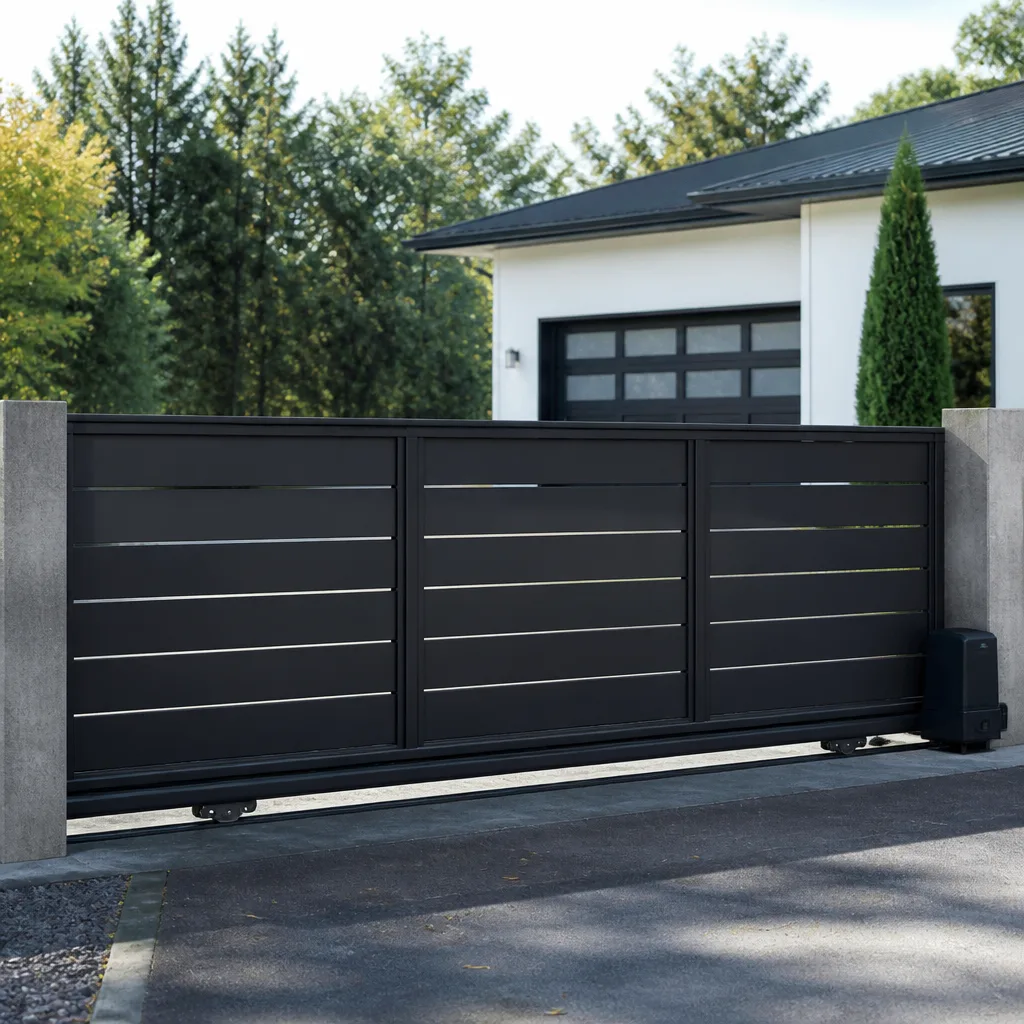 Sliding driveway gates
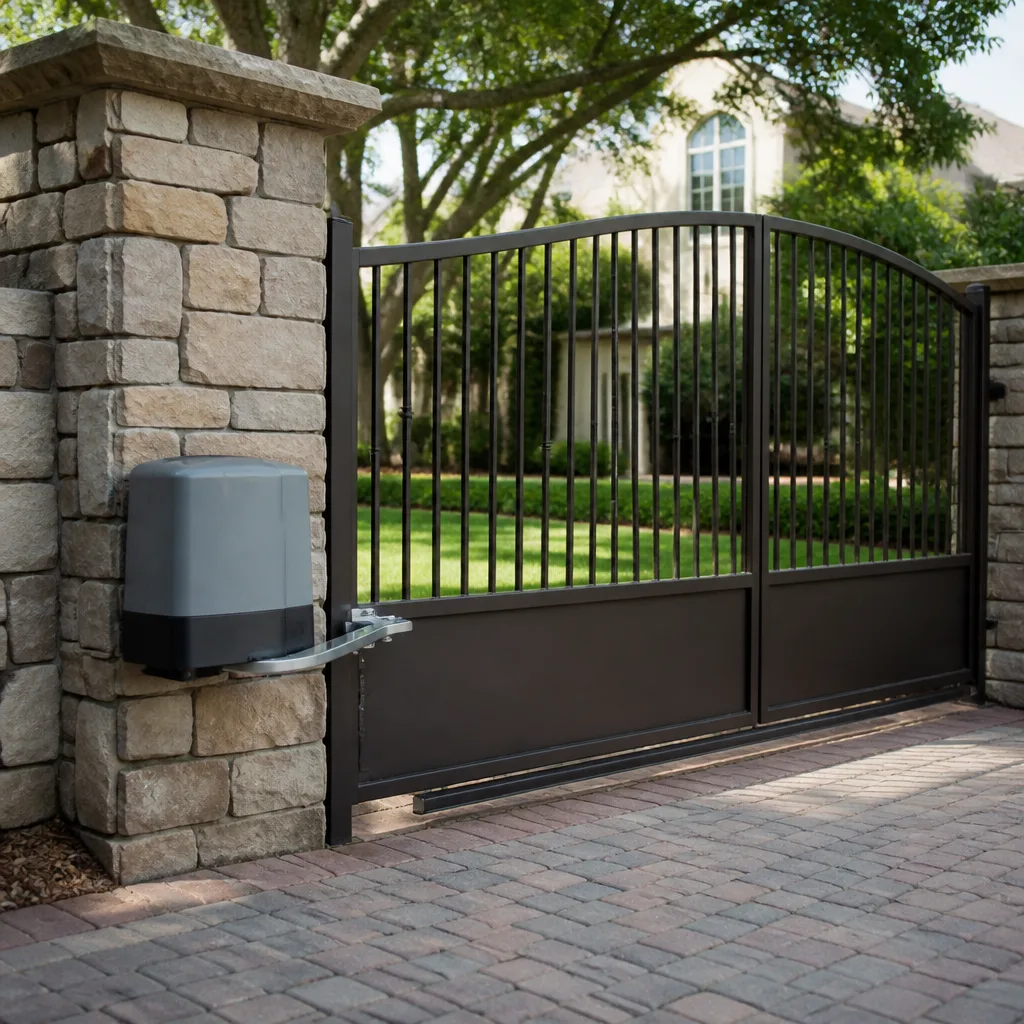 LiftMaster operators
Free on-site gate assessment - hinges, posts, and your LiftMaster or Nice gate operator checked before anything is quoted
The assessment is free and the quote is the invoice.
Get your free estimateGate Repair Maintenance Schedule: What to Do and When
Most gate maintenance advice you’ll find online was written for a mild climate that doesn’t exist here. It assumes one annual inspection covers everything, that winter is a gentle slowdown, and that metal and lubricant behave the same in January as they do in June. In Highlands Ranch, a single day can swing forty degrees between a cold morning and a warm afternoon, and that swing works on hinges, chains, and circuit boards every bit as much as it works on your landscaping. Waiting a full year between checks is how a small hinge problem turns into a full operator replacement. This guide walks through what actually degrades in Colorado gate systems, and when to catch it.
Quick Answer
The right gate maintenance schedule in Colorado is season-based, not annual: check and lubricate hardware monthly, test the operator and safety devices every few months, do a full mechanical inspection in spring after the thaw and again in fall before the freeze, and test battery backup before the first cold snap. Track operator cycles as your real maintenance trigger, not just the calendar. If you ever hear grinding, see sagging, or the gate stops reversing on an obstruction, stop using it and call a specialist.
Styles & brands we work with
- Wrought iron
- Wood & steel frame
- Farm & ranch
- Sliding driveway gates
- LiftMaster operators
Table of Contents
- Why Gate Maintenance in Colorado Is Different
- The Month-by-Month Gate Maintenance Calendar
- Lubrication by Component: Chain, Rack, and Hinge
- Using Operator Cycle Counts as a Maintenance Trigger
- Battery Backup Testing Before Winter
- The Two-Minute Monthly Visual Inspection
- Operator and Safety Device Checks
- The Spring and Fall Deep Checks
Why Gate Maintenance in Colorado Is Different
Highlands Ranch sits at elevation in a semi-arid climate with wide daily temperature swings, intense summer sun, and a winter freeze that pushes frost into the ground and back out again in spring. That combination puts a specific kind of stress on a gate that a coastal or mild-winter gate never sees. Metal expands and contracts daily, fasteners loosen, and lubricants either thicken in the cold or attract grit in the dry season.
Three forces do most of the damage here:
- Temperature swing: A forty-degree day-to-night shift works hinges and gate frames continuously. What was tight at noon is looser by midnight, and over months that loosening compounds.
- UV and dust: Long, bright summers break down seals, weatherstripping, and some lubricants, while dry air loads the moving parts with fine dust that turns tacky grease into grinding paste.
- Freeze and thaw: Moisture works into joints, chains, and the ground around posts, then freezes and expands. Repeated cycles widen small gaps and eventually shift hardware.
Frost heave is the quiet one. A gate post that sat perfectly plumb all summer can lean a fraction of an inch after a hard winter, and that lean throws off the alignment of everything attached to it: the frame, the hinges, and the operator’s limit switches. We see this play out across Highlands Ranch every spring, when gates that worked fine in November start dragging or refusing to close fully.
None of this means you need to obsess over your gate. It means the schedule should follow the seasons and the component, not a single annual checkbox. Once you understand what degrades and when, the work is short and predictable.
The Month-by-Month Gate Maintenance Calendar
Treat the gate as a system with four seasonal modes: thaw, dry heat, debris, and freeze. Each mode stresses different parts, so each month has a different priority. Here’s how we’d map a full year in Highlands Ranch, based on what actually fails and when.
- Late winter to early spring (thaw): Inspect posts for frost heave and the frame for racking. Check hinge tightness and re-torque any loose fasteners. Look for pooled water or soft ground around posts and correct drainage. Clear winter grit from tracks and chains.
- Spring (post-thaw deep check): Full mechanical inspection: hinges, rollers, latches, stops, and the operator’s physical mounting. Test the safety devices. Lubricate everything on the spring schedule. This is the check that catches what winter did.
- Early summer (UV and heat): Check operator housing, control-box seals, and any exposed wiring for sun damage or cracking. Verify the operator isn’t overheating due to blocked ventilation or debris. Confirm photo-eye alignment, which drifts in bright summer glare.
- Mid to late summer (dry and dusty): Clean and re-lubricate moving parts with a dry-type product that won’t collect dust. Check chain or rack tension, which can slacken as temperatures rise. Clear vegetation and debris from the gate’s travel arc.
- Fall (pre-freeze prep): Full mechanical inspection again. Clear all debris, especially around the base and track. Test battery backup before the cold. Check seals and grease any component that will see freezing temperatures.
- Winter (freeze): Keep the travel path clear of snow and ice, and avoid forcing a manual gate through a frozen arc. Watch for sluggish operator response, which often points to a weakening battery. Reduce unnecessary cycling.
If that looks like a lot, it isn’t. Most months are a ten-minute walkaround plus one small task. The two heavy months are spring and fall, and those are the ones worth scheduling in advance.
Lubrication by Component: Chain, Rack, and Hinge
The biggest lubrication mistake we see is using one product for everything. A slide gate’s chain, a rack-and-pinion operator, and a swing gate’s hinges each need something different, and in Colorado’s dry, dusty conditions the wrong choice actually accelerates wear. A wet, sticky grease that works fine in a humid climate becomes a dust magnet here. The grit that collects in it grinds the component every time the gate moves.
Here’s the component-by-component approach:
- Chain-drive operators: Clean the chain first, then apply a chain-specific lubricant that penetrates the links and dries to a thin film rather than a sticky coat. Reapply on a short interval in the dusty season and more sparingly in winter. Avoid heavy grease, which holds grit.
- Rack-and-pinion (slide) operators: Use a dry-film or PTFE-style lubricant on the rack teeth, applied lightly and wiped so it doesn’t build up. Excess attractant turns the rack into a grinding strip. Check the pinion’s mesh against the rack as part of the same task.
- Hinges and pivot points: A light penetrating lubricant works for most swing-gate hinges, applied to the pin and worked in by hand. Wipe off the excess so dust doesn’t cake on. If hinges are sealed or non-serviceable, don’t force lubricant in; replace them when they stiffen.
- Rollers and tracks (slide gates): Lubricate per the hardware type, usually a light oil on exposed roller bearings, and keep the track clean and dry. In Colorado, track debris is often grit and small gravel rather than the leafy buildup other climates see.
Frequency matters as much as product. In Highlands Ranch, we’d lubricate hinges and pivot points roughly monthly during active use, chains on a schedule set by use and dust, and rack teeth on a moderate interval with a clean-and-reapply each time. The operator’s manual gives brand-specific intervals. Systems from FAAC or Viking, for example, may specify differently than a residential BFT or Linear unit, and following the manufacturer’s guidance for the specific model is always the safest baseline.
Using Operator Cycle Counts as a Maintenance Trigger
Calendar-based maintenance misses the most useful signal an automatic gate gives you: how many times it has actually opened and closed. A gate that cycles five times a day and a gate that cycles a hundred times a day are working at totally different rates, yet an annual schedule treats them the same. Most modern operators can report a cycle count, and it’s the honest measure of wear on the motor, gearbox, and moving hardware.
Here’s how to use it:
- Find your operator’s cycle-count readout. Many control boards track cycles internally. Check the manual or the control panel display for your model.
- Record the count periodically. Note it at each seasonal check so you can see your true daily or monthly rate.
- Set a trigger. Rather than a fixed interval, set service based on cycles. A high-cycle commercial gate on a shared driveway or a facility entrance will need inspection far more often than a lightly used residential gate.
- Watch the trend, not just the number. If the cycle rate suddenly climbs, something about how the gate is being used has changed, and the wear rate has too.
This matters most for property managers and HOAs running a gate at an apartment complex or commercial entrance. Those operators, often commercial-grade units like FAAC, BFT, or DoorKing, take far more cycles per day than a private driveway gate, and cycle-based triggers keep them from running past their wear limits. For a homeowner, the cycle count still tells you whether you’re a light or heavy user, which adjusts every other interval in this guide.
If your operator doesn’t display cycles, estimate: count openings per day, multiply by days of use, and use that number to rank your gate as light, moderate, or heavy duty. Then match inspection frequency accordingly. This is exactly the kind of system knowledge our technicians rely on when they gate repair a unit, since diagnosing by how the gate is actually used beats guessing by the calendar.
Battery Backup Testing Before Winter
Battery backup is the part of an automatic gate that fails most quietly. Cold drains battery capacity faster than ordinary discharge does, so a backup battery that works fine in July can be nearly useless by the first hard freeze. The gate will still run on mains power, so nothing seems wrong until an outage or a safety event leaves the gate stranded. That’s why testing the backup before winter is its own task, not an afterthought.
A practical pre-winter protocol:
- Locate the battery or batteries. Backup batteries sit in the operator housing or a separate enclosure. Note the type and age from the label.
- Check connections and terminals first. Cold and vibration loosen terminals and corrode contacts. Clean and tighten before testing so you’re testing the battery, not a bad connection.
- Test on a mild day, not the coldest one. Simulate a power interruption according to your operator’s instructions and confirm the gate completes a full open and close cycle on battery alone. If it strains, stalls, or won’t finish a cycle, the battery is suspect.
- Check the age. Backup batteries have a service life regardless of how they test. If yours is old, plan for replacement before the cold arrives rather than after.
- Repeat the test periodically through winter if the gate is in heavy use, since capacity keeps dropping as temperatures fall.
Alternator or solar-charged systems need the charge side checked too, since a weak charge controller will look like a dead battery. Cold-season battery failures are one of the most common reasons we get called out for electric gate repair once temperatures drop in Highlands Ranch. Testing early saves a stranded-gate call in January.
The Two-Minute Monthly Visual Inspection
Most gate problems announce themselves well before they cause an outage. A short monthly walkaround catches the large majority of early warning signs, and it costs you two minutes. You don’t need tools or technical training, just a routine and an eye for change.
Walk the gate’s full travel arc and check:
- Post and frame alignment: Does the gate sit square, or is it leaning, sagging, or dragging at one corner? A new sag or drag after a hard winter is a frost-heave or hinge signal.
- Hinge and pivot condition: Any wobble, rust bleed, or stiff movement when you gently work the gate by hand.
- Hardware tightness: Loose bolts, missing fasteners, and any hardware that looks or feels ready to come off.
- Ground and track: Debris, gravel, vegetation, or soft ground in the travel path, and any track damage on a slide gate.
- Operator condition: Anything unusual at the housing, control box, or wiring: cracks, sun damage, insect nests, or moisture.
- Listen: Run one cycle and listen for grinding, scraping, or hesitation. New noises are a maintenance flag, not a quirk to live with.
Note anything that’s changed, even if it seems minor. Change is the signal. A gate that has leaned a little all along is probably fine; a gate that leaned this month is not. If your walkaround turns up a problem you can’t explain, that’s when to stop running the gate and get it looked at.
Operator and Safety Device Checks
An automatic gate is a machine with a motor, moving parts, and enough force to injure. The safety devices built into it exist for good reason, and they need testing as part of any maintenance schedule. Never bypass a safety device to “make it work” and never disable the operator’s reversal or obstruction function because it’s inconvenient. A gate that closes on a person or a vehicle is a serious hazard.
What to check and how often:
- Obstruction sensing: Test that the gate reverses or stops when it meets an obstruction, following the operator’s manual for the correct test method. Do this at each seasonal check.
- Photo-eyes and safety edges: Make sure sensors are clean, aligned, and unobstructed, and that a blocked beam stops the gate. Check monthly in dusty or bright months, and again before winter.
- Limit switches and stops: Confirm the gate opens and closes fully without over-travel or straining against its stops.
- Manual release: Verify the manual release works so the gate can be operated safely by hand during a power failure.
- Warning signs and placards: Keep required warning signage visible and legible on both sides of the gate.
Anything involving the operator’s internal wiring, the power supply, or the control board belongs to a trained technician. Gate operators run on line voltage, and the combination of electricity and heavy moving parts is not a do-it-yourself job. If a safety device fails its test, stop using the automatic function and get it repaired. If your gate is a manual swing gate with no operator, the emphasis shifts to hinges, latches, and frame integrity, but the same rule applies: heavy panels that swing or slide can crush, so never work under a gate that’s holding weight on a worn hinge or a failing pivot. Call a specialist before that becomes an injury.
The Spring and Fall Deep Checks
Spring and fall are the two moments when a gate in Highlands Ranch most needs a proper inspection, because they bracket the two hardest seasons. Spring is about undoing what winter did. Fall is about preparing for the next one. Everything else on this schedule is light touch; these two checks are the backbone.
The spring check, done after the ground thaws and stabilizes:
- Confirm posts are plumb and the frame hasn’t racked or settled.
- Inspect and re-torque hinges, latches, stops, rollers, and all exposed fasteners.
- Check the operator’s physical mounting, alignment, and limit-switch settings.
- Clean winter grit from chains, racks, and tracks, then re-lubricate.
- Test all safety devices and the manual release.
The fall check, done before the first freeze:
- Clear all debris, gravel, and vegetation from the travel path and base.
- Test battery backup and replace if suspect.
- Check seals, gaskets, and any exposed wiring for wear or sun damage.
- Re-lubricate components that see freezing temperatures, using cold-appropriate products.
- Review the operator’s cycle count and schedule any service the wear rate calls for.
Both deep checks are quick for a trained eye and catch the failures this climate produces most. That’s the value of a specialist looking at it: a technician who works on gates every day spots a hairline frame crack or a limit switch drifting out of alignment before it costs you a repair. Our technicians have up to experience with systems across the full range, from residential openers to commercial operators, and we work on the brand you already have.
Common Mistakes to Avoid
- Treating maintenance as a single annual event. The calendar-based inspection advice assumes a mild climate. In Highlands Ranch, a year between checks lets small seasonal problems compound into operator-level failures.
- Using sticky grease on chains and racks. Colorado dust turns wet grease into an abrasive paste that grinds the component. Choose dry or penetrating lubricants that don’t collect grit.
- Bypassing a safety device to keep the gate working. A disabled obstruction sensor or a jumped-out photo-eye is a hazard, not a fix. Stop using the automatic function and get it repaired.
- Skipping the pre-winter battery test. Cold cuts battery capacity sharply, and a backup that seems fine in summer can fail in the first freeze. Test before winter, not after.
- Ignoring frost heave in spring. A post that leaned over winter throws off frame, hinge, and operator alignment. Check plumb and square each spring rather than waiting for the gate to drag.
- Ignoring the cycle count. Two gates with the same age can have wildly different wear. Base service on cycles and use, especially for high-traffic commercial and HOA gates.
- Letting dust and gravel build up in the travel path. A slide gate’s track and a swing gate’s base collect grit that causes binding and roller wear. Clear it as part of the monthly walkaround.
See the difference
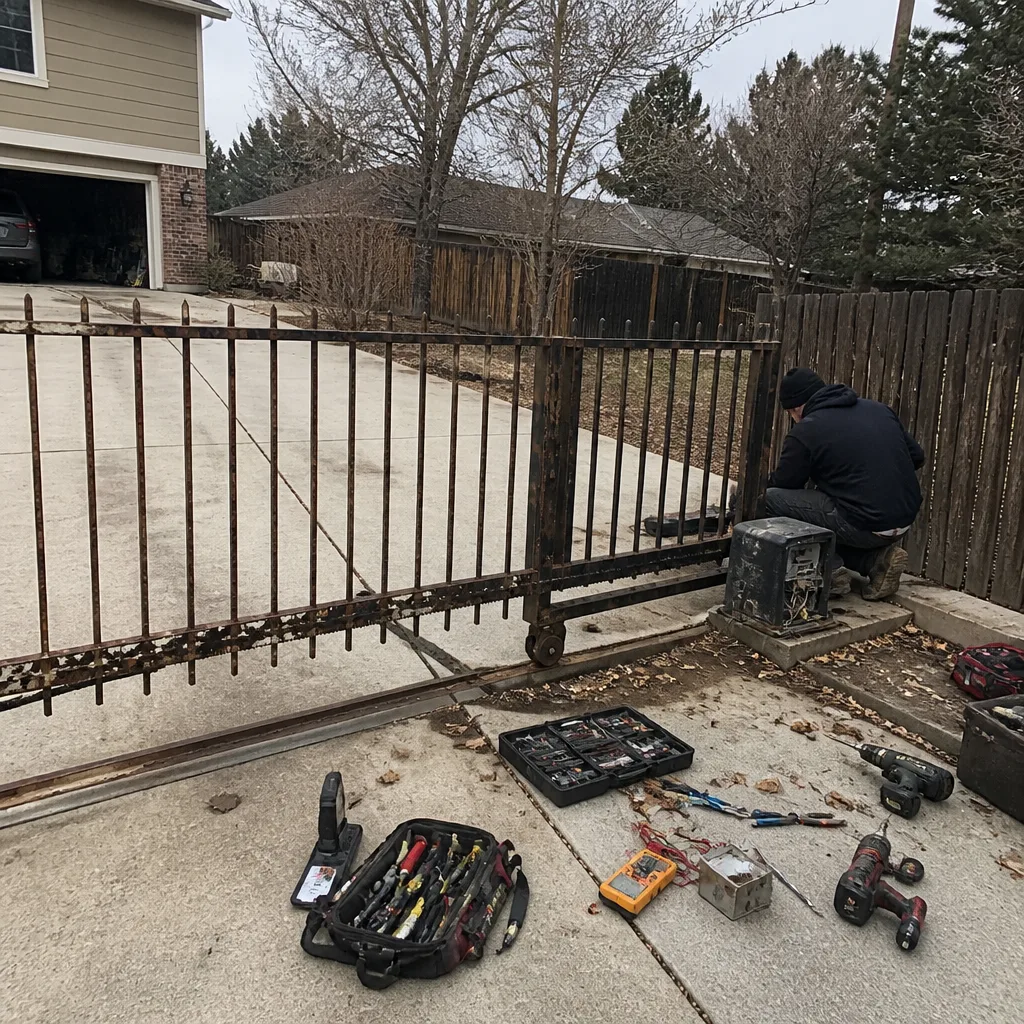 Before
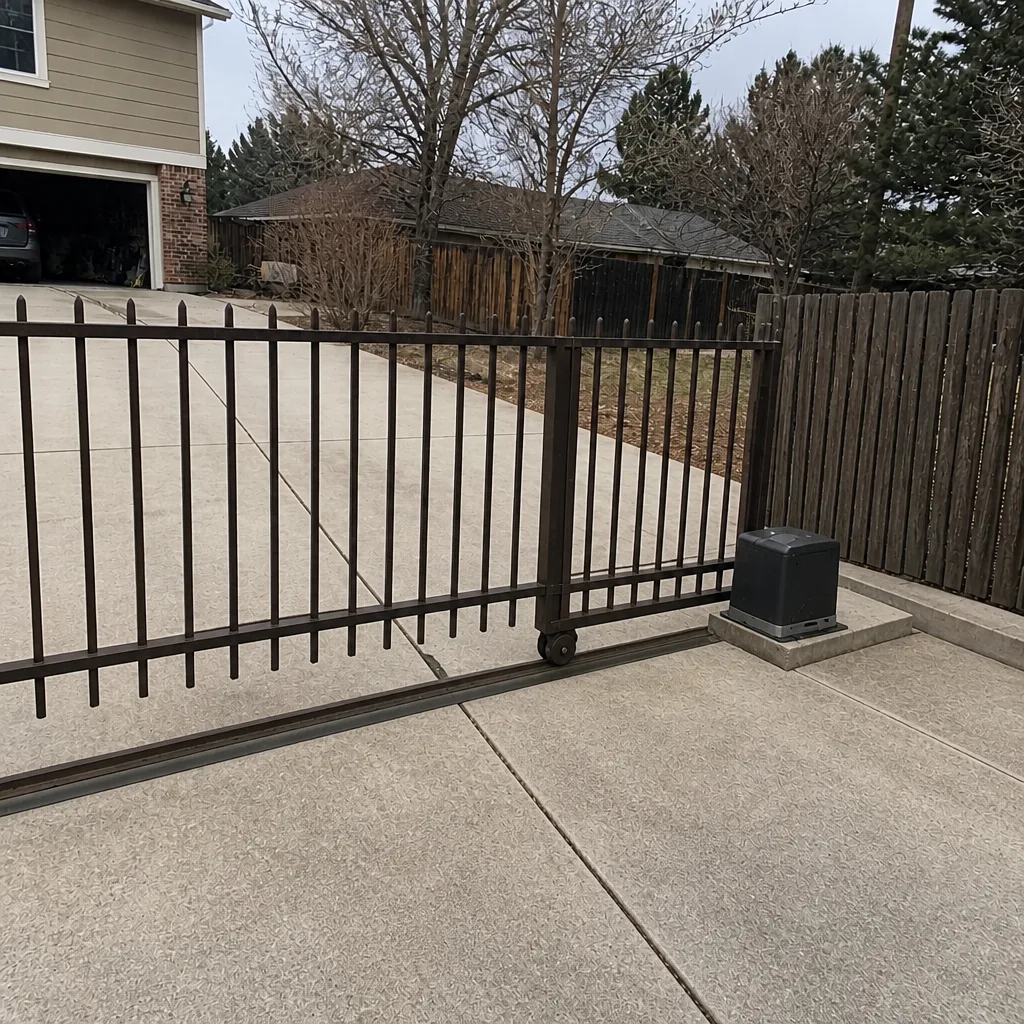 After
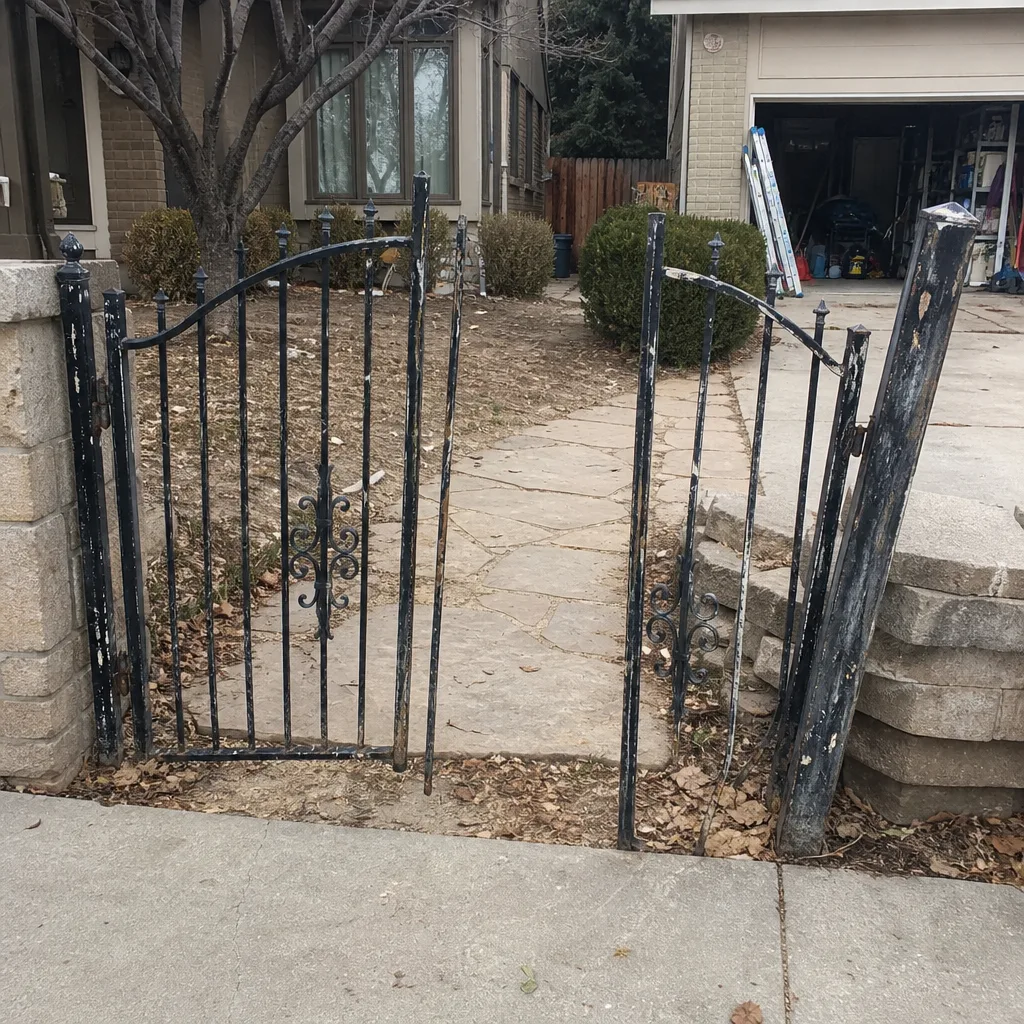 Before
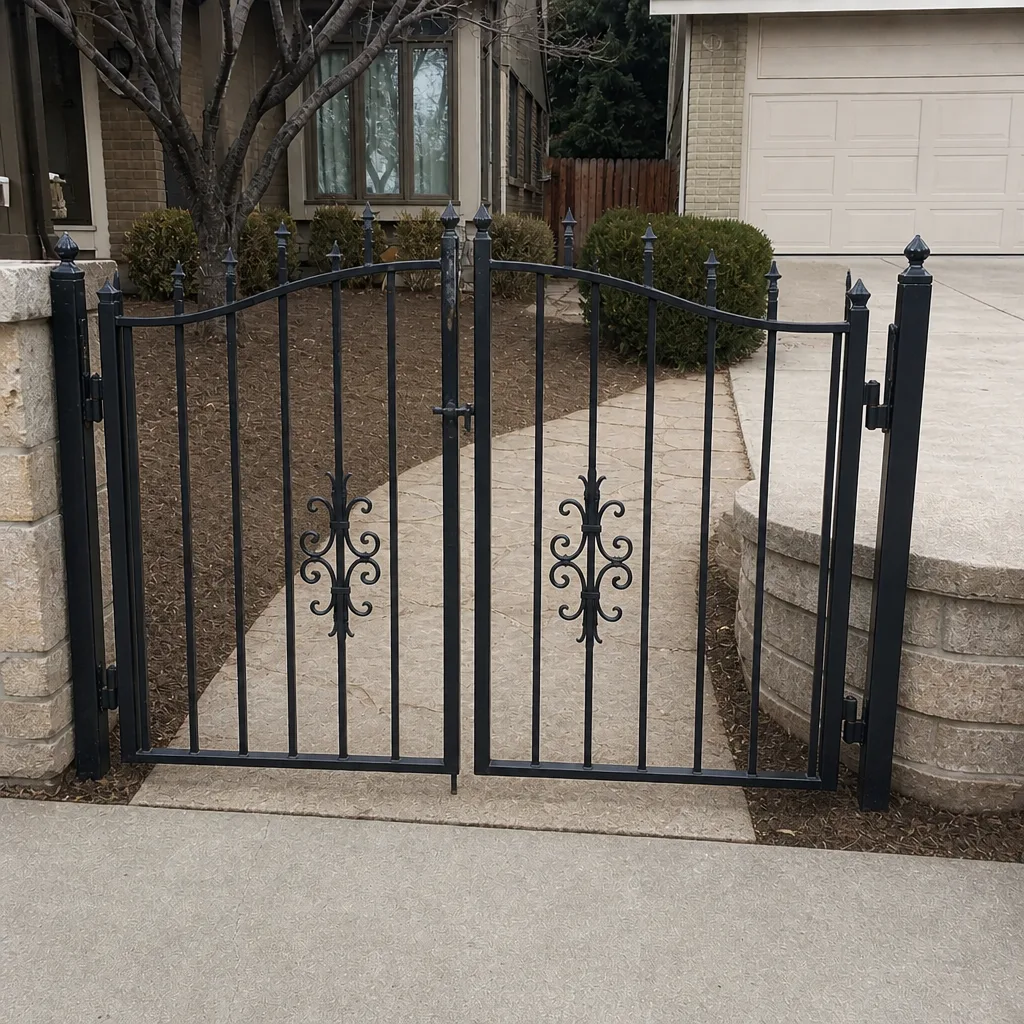 After
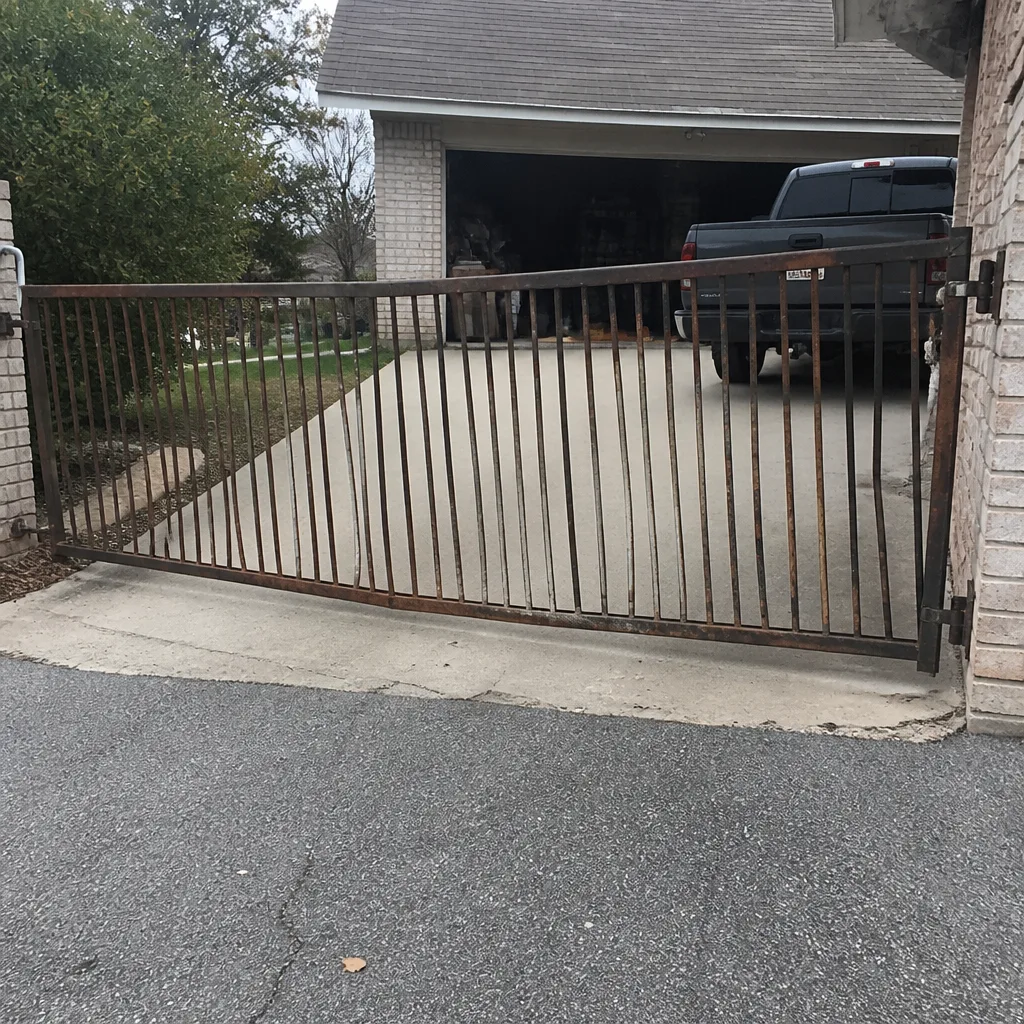 Before
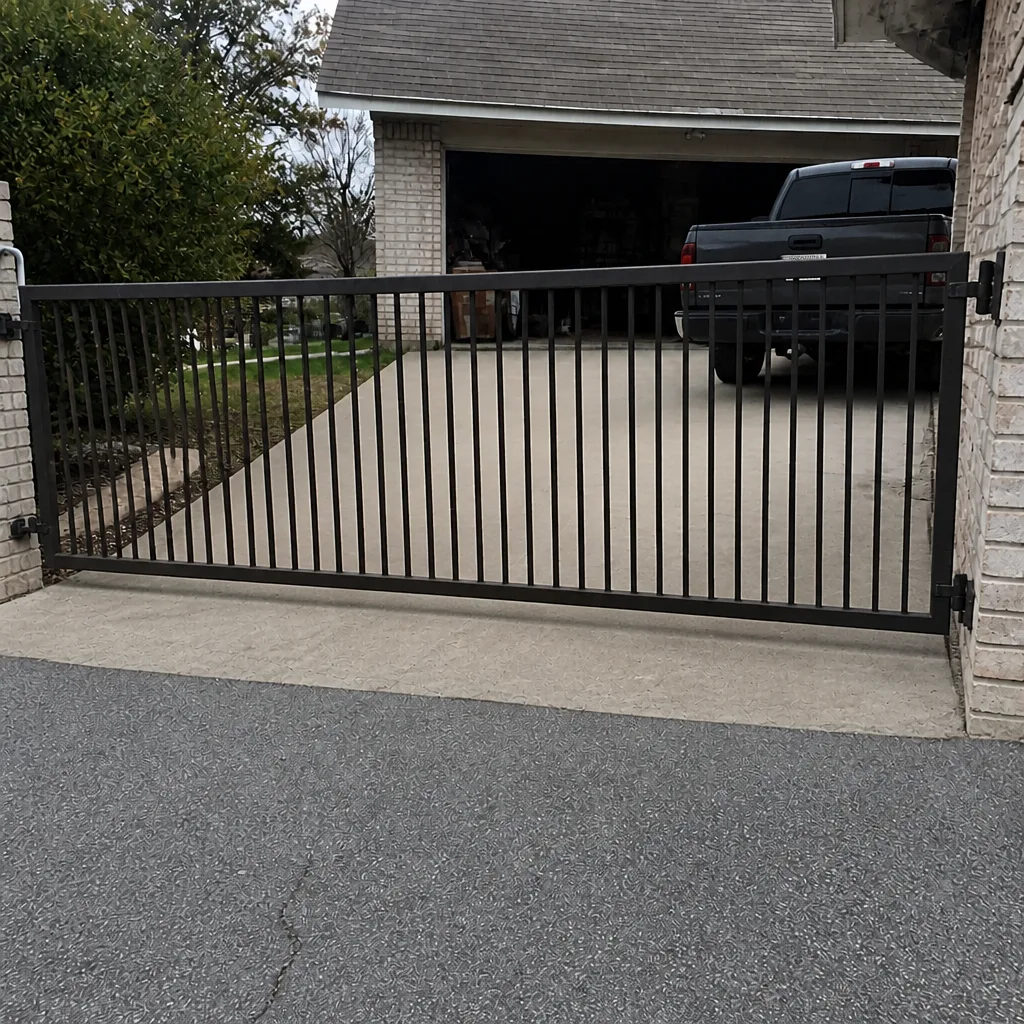 After
When to Call a Professional
Some tasks on this schedule are homeowner-friendly: the visual walkaround, clearing debris, and even basic lubrication. Others belong to a specialist. Call a professional when the gate sags, drags, or won’t close squarely with no obvious cause; when hinges or pivots are loose, cracked, or stiff; when the operator reverses unexpectedly, strains, or makes new grinding noises; when a safety device fails its test; or when anything involves the power supply, internal wiring, or control board. Stop using an automatic gate that won’t reverse on an obstruction, and never work under a panel held by a failing hinge or pivot. If you’re near an operator’s wiring or your gate has stopped responding and you don’t know why, get it looked at rather than guessing. Stratford Gate Repair offers free estimates in Highlands Ranch: call (866) 509-8380. We answer 24/7. Fast dispatch from 7am to 7pm, Sunday through Friday.
Frequently Asked Questions
Light maintenance monthly and a full mechanical inspection twice a year, in spring after the thaw and in fall before the freeze. The wide temperature swings and dry, dusty summers in Highlands Ranch stress gates more than a mild climate does, so season-based checks beat a single annual visit. Track your operator’s cycle count to adjust the frequency to how hard your gate actually works.
The spring post-thaw inspection. Winter frost heave and freeze-thaw cycles can lean a post or rack a frame without obvious warning, and that throws off the whole gate, from hinges to operator alignment. Catching it in spring, before it causes dragging or operator failure, saves the most trouble. Fall pre-freeze prep runs a close second.
A chain-specific lubricant that penetrates the links and dries to a thin film, not heavy grease. In Colorado’s dusty, dry conditions, sticky grease collects grit that grinds the chain and shortens its life. Rack-and-pinion gears want a dry-film product, and hinges want a light penetrating lubricant with the excess wiped off.
Cold reduces battery capacity faster than normal discharge does, so a backup that works in summer can fail in the first freeze. Test the battery before winter, on a mild day, by simulating a power interruption and confirming the gate completes a full cycle on battery alone. Replace it if it strains or won’t finish.
Yes for the light tasks: the monthly visual walkaround, clearing debris, basic lubrication, and watching your operator’s cycle count. No for anything involving the operator’s wiring, power supply, control board, or a failed safety device. Gate operators run on line voltage and involve heavy moving parts, so those belong to a trained technician.
No contract and no plan is needed. Maintenance is a one-time visit priced per job by the written estimate, quoted and agreed before any work starts. That keeps the schedule flexible around your gate’s real needs rather than locking you into a fixed service package.
The Bottom Line
Gate maintenance in Highlands Ranch is a sequence of short, seasonal checks shaped by what actually degrades in this climate, not a single annual inspection. Lubricate by component with products that don’t collect Colorado dust, use your operator’s cycle count to set the real interval, and test battery backup before winter every year. Do the two-minute walkaround monthly. Book the spring and fall deep checks, because those bracket the two hardest seasons. When anything points to the operator’s wiring, a safety device, or a gate that sags or won’t reverse, stop using it and call a specialist. Our team works on the brand you already have, from residential openers to commercial systems, so one call covers diagnosis, repair, and replacement if it comes to that. For a free estimate, call (866) 509-8380. We answer 24/7. Fast dispatch from 7am to 7pm, Sunday through Friday.
Written by the team at Stratford Gate Repair.