
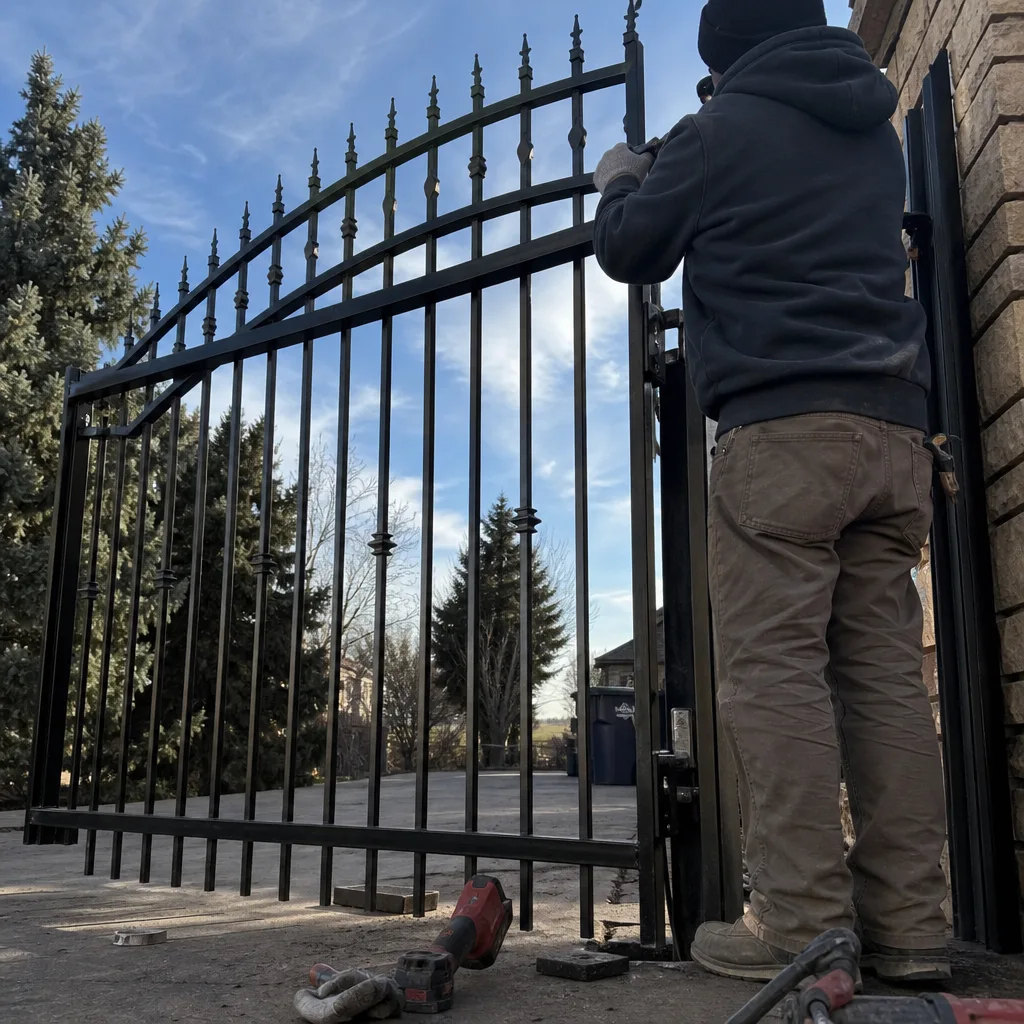
Last updated November 15, 2026
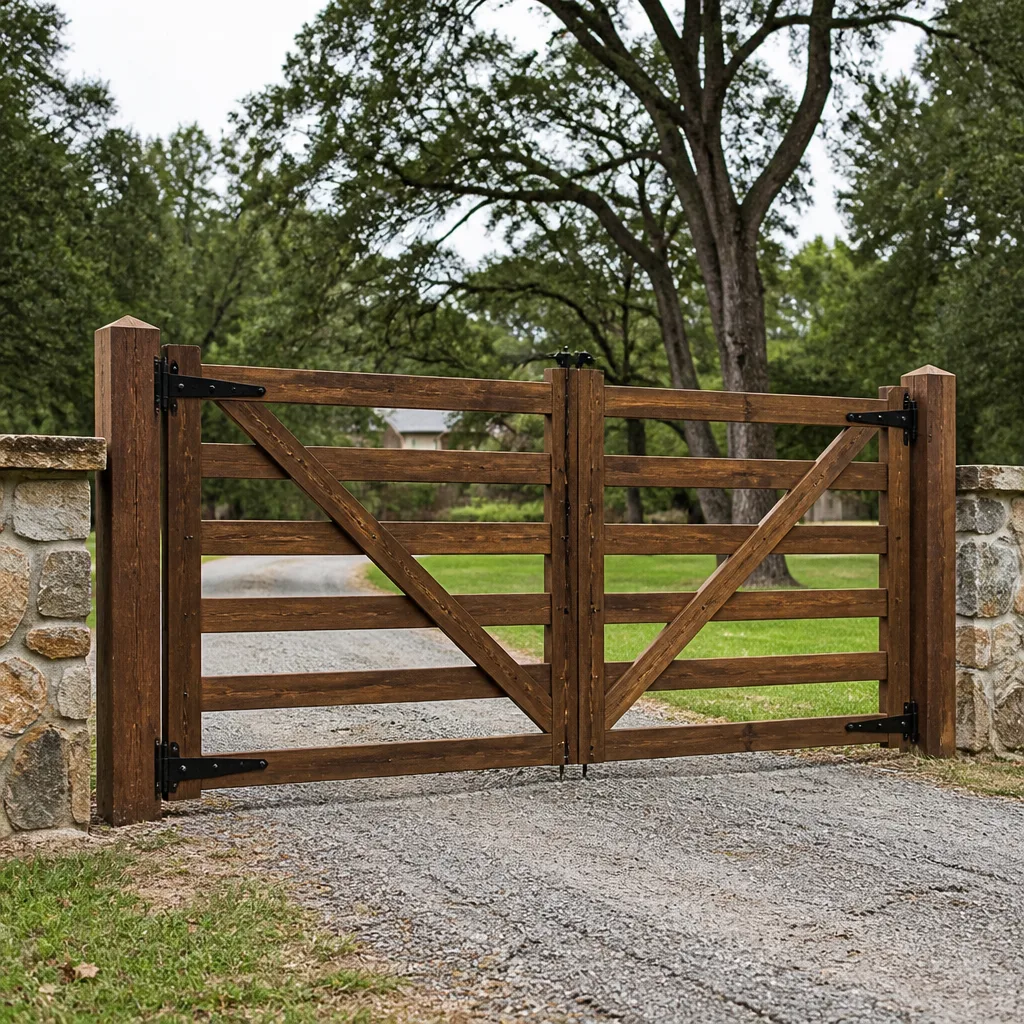 Farm & ranch
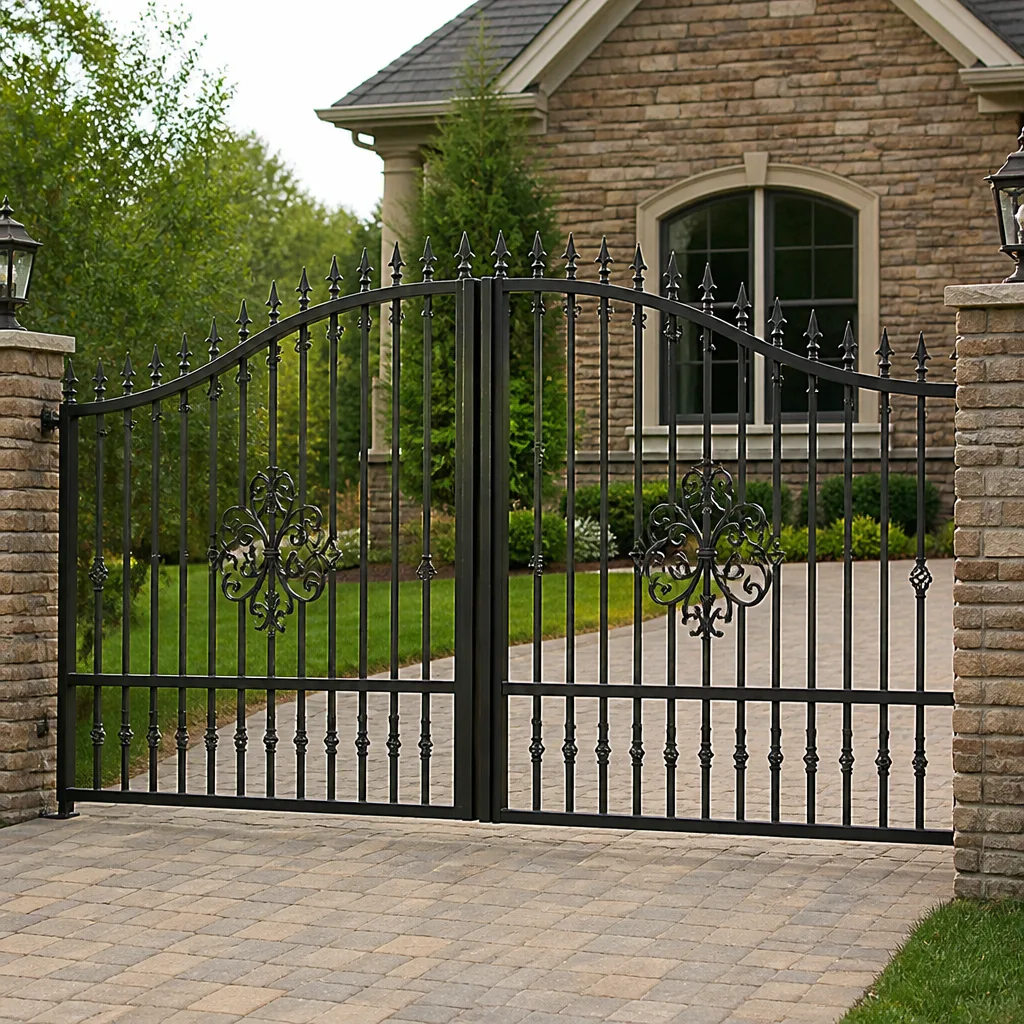 Wrought iron
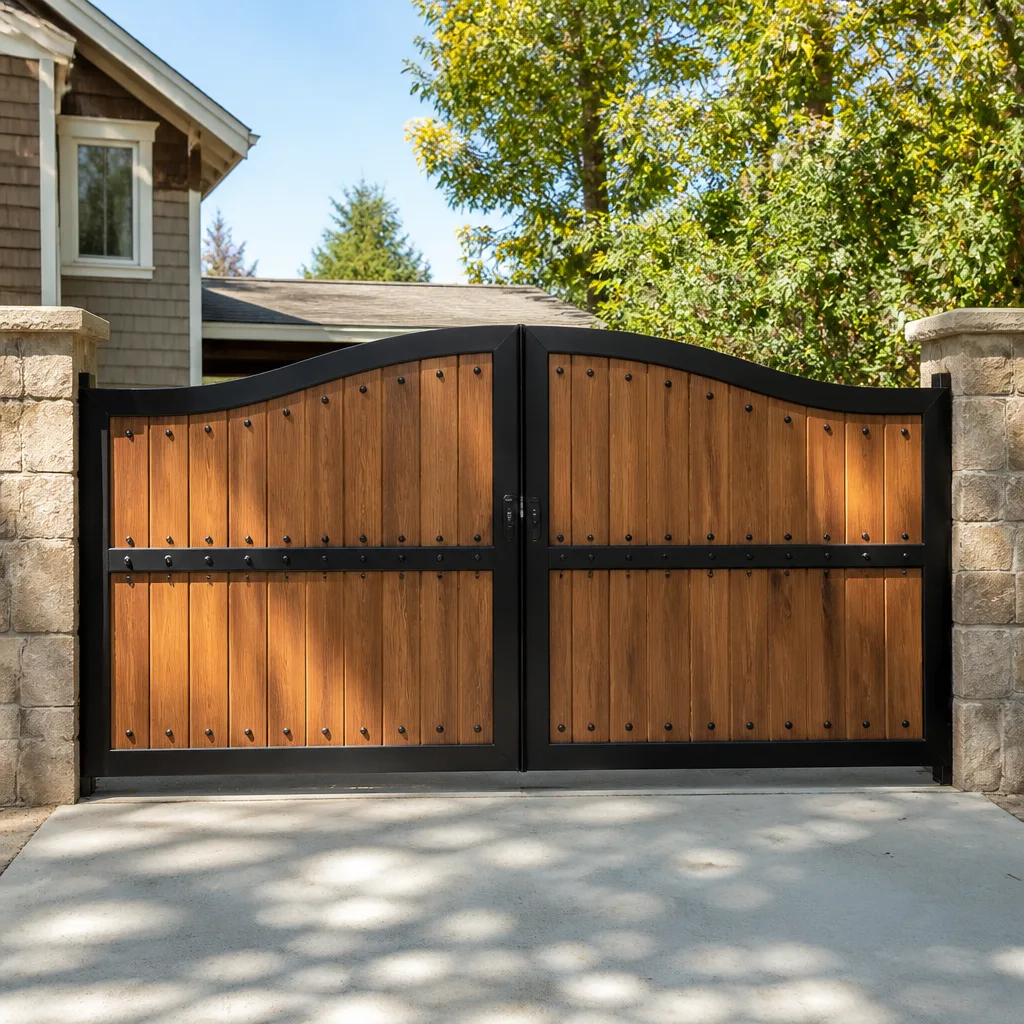 Wood & steel frame
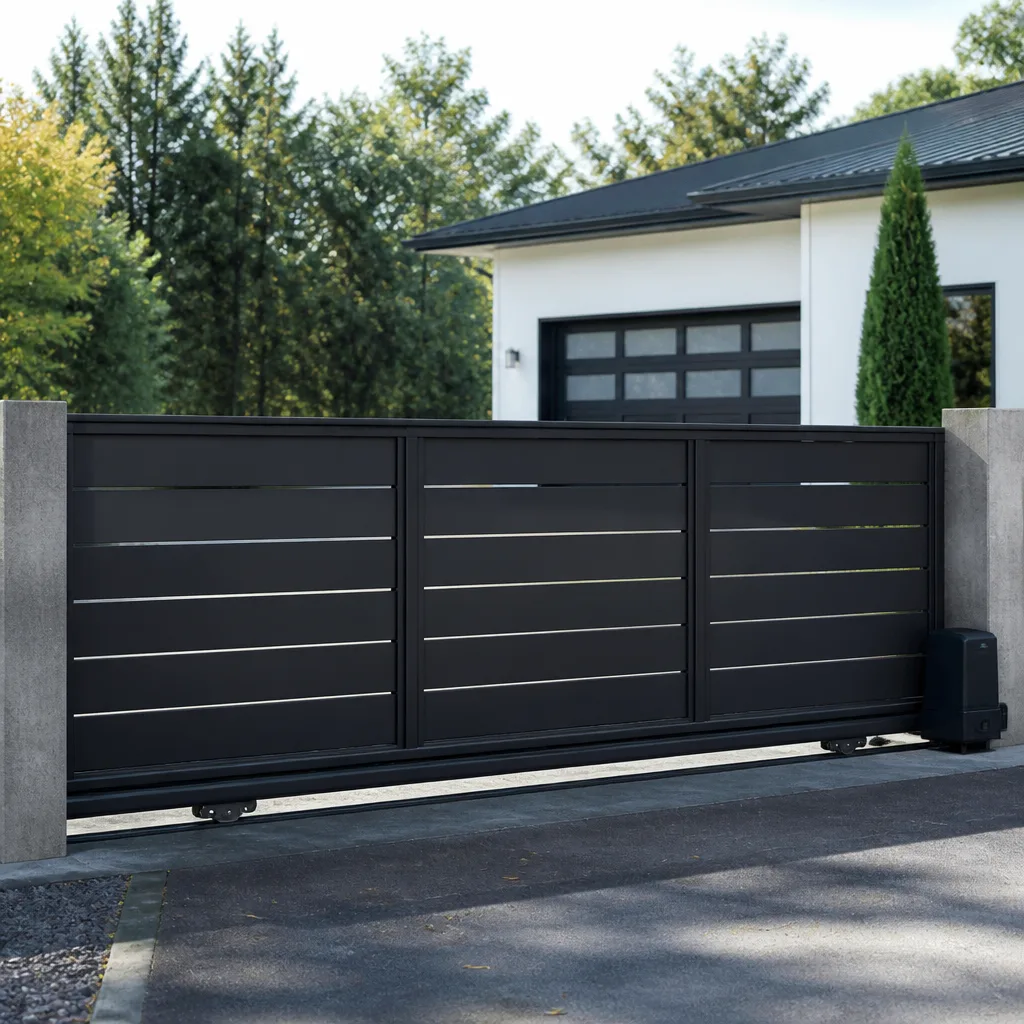 Sliding driveway gates
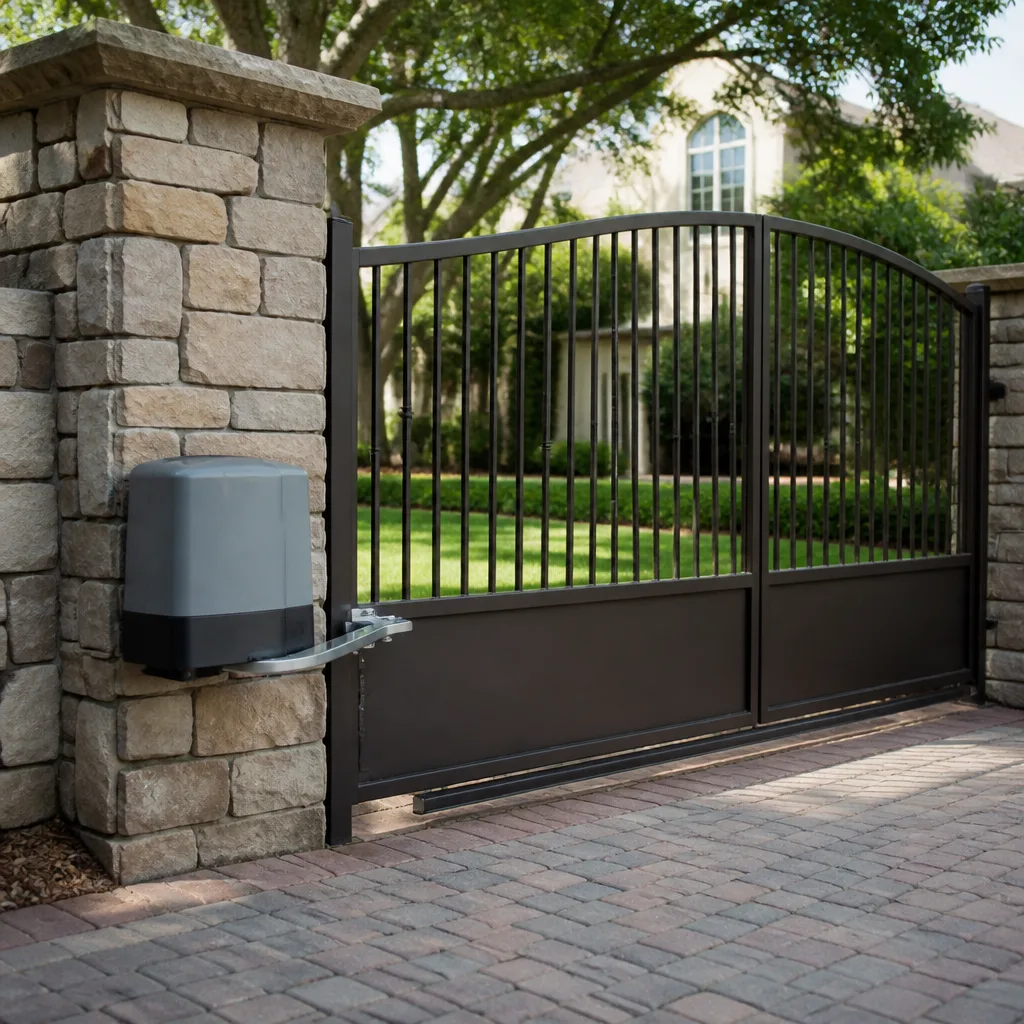 LiftMaster operators
Free on-site gate assessment - hinges, posts, and your LiftMaster or Nice gate operator checked before anything is quoted
The assessment is free and the quote is the invoice.
Get your free estimateThe Complete Guide to Gate Repair in Highlands Ranch
A sagging gate usually isn’t a hinge problem. Most of the time it’s a post or foundation problem wearing a hinge costume, and tightening or replacing the hinge just resets the clock on the same failure. That single misunderstanding is behind a lot of money spent twice in Highlands Ranch. We work on gates for a living, and the pattern repeats because gates are systems, not slabs of metal on two posts. A driveway gate is really three stacked layers: structural, mechanical, and electronic. Diagnose from the top down and you’ll chase symptoms. Diagnose from the bottom up and you’ll find the real failure. This guide walks you through how to tell those layers apart, why clay soil matters, how each gate material fails differently, why an electric operator that “seems dead” is often a mechanical problem, and how to decide whether to repair or replace.
Styles & brands we work with
- Wrought iron
- Wood & steel frame
- Farm & ranch
- Sliding driveway gates
- LiftMaster operators
Quick Answer
Gate repair in Highlands Ranch usually means fixing one of three things: a settling or heaving post that throws the whole gate out of alignment, worn hardware (hinges, rollers, latches, stops), or a manual or electric operator that’s been pushed past what the frame can support. Diagnosing the correct layer first – structural, mechanical, or electronic – is what separates a modest fix from a full replacement. If you’re unsure where the failure sits, a free on-site estimate is the fastest way to find out.
Table of Contents
- The Three Gate System Layers – and Why Repair Starts at the Bottom
- Why Highlands Ranch Clay Soil Mimics Hinge Failure
- How Iron, Vinyl, and Wood Gates Fail Differently in Highlands Ranch
- Why Electric Gate Problems Are Almost Never Electrical
- A Step-by-Step Diagnosis Walk-Through
- Repair or Replace? A Decision Map
- What Gate Repair Typically Involves in Highlands Ranch
- Common Mistakes to Avoid
- When to Call a Professional
- Frequently Asked Questions
- The Bottom Line
The Three Gate System Layers – and Why Repair Starts at the Bottom
Every gate, whether it’s a manual garden swing gate or a full automatic driveway setup, is a stack of three systems. Get the order of diagnosis wrong and you’ll spend money on the wrong parts.
The structural layer
This is the posts, the footings beneath them, the concrete or anchoring, and the frame itself. Structural problems show up as a gate that drags, hits the strike post, jumps off the track, or suddenly won’t close flush when it used to. In a place like Highlands Ranch, this is often where the story actually begins. If the posts have moved, every other adjustment on the gate is a temporary patch.
The mechanical layer
Hinges, rollers, tracks, guide wheels on a slide gate, latches, stops, and the arm or drive mechanism on an operator. These wear out naturally and can also be forced out of adjustment by a structural problem pushing against them. A hinge that keeps loosening is often a hinge doing extra load-bearing work it wasn’t designed for.
The electronic layer
This is the operator motor, control board, sensors, safety edges, remote receivers, and any access control. It’s the layer homeowners notice first because it makes the gate stop being convenient. But in our experience on electric gate repair, this is usually the last domino to fall, not the first one pushed.
Here’s the rule: repair always starts at the bottom. If the structural layer is compromised, tuning the mechanical layer and resetting the operator won’t hold. Fix the foundation, then the hardware, then the electronics – in that order, every time.
Why Highlands Ranch Clay Soil Mimics Hinge Failure
Highlands Ranch sits on expansive clay soil. That’s the key local fact every gate owner should understand, because it explains a pattern you’ll see again and again: a gate that’s fine through a dry stretch and then starts dragging after a wet season.
Clay swells when it absorbs moisture and shrinks when it dries. That means the ground beneath a gate post is not a fixed reference point. It moves. When the moisture swings – a wet spring, a dry summer, the freeze-thaw cycle of Front Range winters – one post can lift while its neighbor settles. The gate, which was perfectly plumbed, is now sitting on a foundation that’s slightly tilted. It racks. The hinge side and the latch side no longer align, and the gate starts dragging on the strike.
What does the homeowner see? A gate that won’t latch. Hinges that look worn. A sag that must be a hinge problem. Here’s how to tell the difference:
- Check the hinge play, not just the hinge look. Grab the gate and lift it. If there’s vertical movement at the hinge, the hinge itself may be worn. If the hinge is tight but the gate still drags, look below it.
- Look at the post, not the gate. Place a level against the gate post in both directions. A post that leans, even slightly, means foundation movement.
- Check the gap at the bottom and the latches over time. A gate that used to close cleanly and now catches at one corner is showing a racking pattern, which is usually structural.
- Compare the two posts. If the gap between the gate and one post has changed while the other stayed put, one post has moved.
Treating clay-driven post movement as a hinge problem is the single most expensive misdiagnosis in Highlands Ranch gate repair. New hinges on a moving post will just come loose again. The fix is at the footing, not the hardware.
How Iron, Vinyl, and Wood Gates Fail Differently in Highlands Ranch
The gate materials common across Highlands Ranch HOA communities don’t fail the same way. Each has its own weak points, and knowing them helps you spot the real problem before it becomes a bigger repair.
Ornamental iron and steel gates
Rugged and long-lasting, but not immune to heavy clay ground. An iron gate is heavy, so a tilted post exerts real leverage. Watch the welds at the hinge plates and post brackets – vibration from a worn operator or a misaligned gate can crack a weld that then lets the gate sag. Iron gates also transmit vibration into the frame, so a worn hinge on one side often shows up as a rattle or a drag on the other.
Vinyl (PVC) gates
Vinyl doesn’t rot, which is why it’s popular for HOA-friendly fencing. The trade-off: vinyl gates like to flex. A heavy vinyl gate on undersized posts will slowly bow and drop out of square. The hardware mounting points can pull, because the material doesn’t hold fasteners with the same bite as iron. Look for a gate that closes at the top but hangs up at the bottom – that’s a warp or a hinge pull-out, not a foundation issue.
Wood gates
Wood moves with the seasons. Highland Ranch’s dry air and wet/dry swings cause wood to swell and shrink, so a gate can drag one month and swing free the next. Wood also absorbs moisture at its bottom edge, which means rot at the bottom rail and hinge-side post is common. A wood gate that’s suddenly heavy usually means waterlogged wood or a swollen bottom rail. A wood gate that’s sagging at the outer corner is often a frame joint giving way, not the hinge.
The point: the material determines which layer fails first. Iron fails heavy and rigid. Vinyl fails flexible. Wood fails with moisture. Diagnose accordingly.
Why Electric Gate Problems Are Almost Never Electrical
When an automatic gate stops, most owners assume the board, the motor, or the power. In our work on electric gate repair, we routinely find that the electronics are fine and the gate is simply too hard to move. The operator is doing its job – it’s just been handed a gate that binds.
The operator is the most sensitive layer to the mechanical and structural layers below it. A slightly out-of-alignment gate adds drag. Drag adds load. Load trips the operator’s built-in safety and the gate stops mid-travel, reverses, or refuses to close. The gate reports an electrical problem; the actual culprit is mechanical friction.
Here’s how the diagnosis usually goes:
- Disconnect the operator (safely, with the power off) and move the gate by hand. If the gate doesn’t glide freely, the problem is mechanical or structural regardless of what the operator says.
- Check the track and rollers or guide wheels. On a slide gate, debris in the track, worn wheels, or a track that’s out of line will load the motor.
- Check the hinges or the swing arm on an overhead or articulated operator. A worn arm bushing will stall or trigger the safety reverse.
- Check the posts and footing. A gate off level loads the operator at every cycle.
- Only then look at the operator itself – limit switches, control board, safety edges, and remotes.
We’re familiar with the major brands for exactly this reason. Whether it’s a budget residential LiftMaster opener, a Viking swing operator, or a commercial-grade FAAC or BFT system on an HOA or commercial gate, the diagnostic method is the same: prove the gate can move easily without the motor, then chase the electronics. The brands we service include LiftMaster, FAAC, BFT, Linear, Viking, Ghost Controls, DoorKing, Elite, and Mighty Mule, and the mechanical-first logic applies across every one.
One safety note worth saying plainly: the wiring and power at an electric gate is genuinely dangerous, and heavy panels and slide gates can crush. Never work inside the operator housing or chase a power fault yourself. That’s a job for a trained technician.
A Step-by-Step Diagnosis Walk-Through
Here’s the method we use on a site visit, in a form you can follow the thinking of. It moves from bottom layer to top – structural, then mechanical, then electronic – because that’s the only order that leads to a real answer rather than a guess.
- Watch the gate move. Open and close it (by hand if it’s manual, or by cycle if it’s automatic). Note where it binds, drags, reverses, or stops. The point of contact tells you which side of the gate to examine first.
- Check the posts and footing. Level each post. Look for leaning, settling, or lifting, especially where the clay ground has shifted. Confirm the gate is still sitting square within its frame.
- Check the gate itself. On a swing gate, look for racking, sag at the outer corner, and twist. On a slide gate, check the frame for square and look for a bent or twisted panel.
- Check the hardware. Test hinges for play, rollers for flat spots, latches and stops for alignment. On a slide gate, inspect the track and guide wheels.
- Test the gate by hand (power off). If it doesn’t glide, the operator will never fix it. Confirm the mechanical layer is sound before touching the electronics.
- Check the operator and controls. Now – and only now – examine limit switches, the control board, safety edges, the receiver, and the remotes. Test the operator’s behavior against the mechanical reality you just confirmed.
- Write the fix from the bottom up. Post and frame adjustment, then hardware, then operator settings or replacement. A written estimate should reflect that order.
That sequence is the whole guide in miniature. It’s the difference between a technician who replaces a hinge and one who finds the post that made the hinge fail.
Repair or Replace? A Decision Map
The hardest call on any gate is whether a repair is the right money to spend or whether it’s postponing an inevitable replacement. There’s no single answer, but there are clear decision points. Here’s how we think about it.
Lean toward repair when…
- The structural layer can be corrected – posts can be reset, footings repaired, or frame straightened without replacing the gate.
- The gate material is sound. Iron in good condition, vinyl without cracks, wood without rot at the rails or posts.
- The hardware is the worn part. Hinges, rollers, stops, latches, and drive arms are all replaceable, and a mechanical refresh can return years of smooth operation.
- The operator is healthy and the problem was dragged out of it by a misaligned gate – correcting the alignment solves the operator complaint.
- The cost of repair is a small fraction of what a full replacement would take.
Lean toward replacement when…
- The posts and footing can’t be stabilized without major structural work, and the gate is already aged.
- The gate material itself has failed – rotted wood, cracked vinyl, bent or rusted-through iron – in multiple places.
- The operator is at the end of its life and replacement parts no longer make sense, especially on high-cycle commercial gates.
- The gate no longer fits the use. A residential manual gate doing the work of an access-controlled entry, or a commercial gate asked to handle more traffic than its operator was built for.
A useful rule of thumb: if two or more layers need significant work at the same time, replacement usually wins on value. If one layer needs work and the others are sound, the repair is almost always the right spend. If you find yourself repairing the same hardware every season, the structural layer is still wrong – go back to step two.
What Gate Repair Typically Involves in Highlands Ranch
We don’t publish a flat price because every gate is different, and we won’t quote one sight-unseen. But we can tell you what drives cost, so you know what the estimate is measuring.
- Diagnosis depth. The time it takes to trace the failure to the correct layer. A quick hinge swap is fast. Proving a post has moved takes more care, but it’s the step that saves the money.
- Structural correction. If posts need resetting or footings need repair, that’s the heaviest line item, and it’s the one that protects every other repair on the gate.
- Hardware replacement. Hinges, rollers, tracks, guide wheels, and latches, priced per set and per the gate’s material and weight.
- Operator repair or replacement. A limit switch or control board is one thing; replacing a failed commercial operator is another. Brand, model, and cycle rating all shape the number. Whether the gate is a FAAC, a BFT, or a Linear residential operator matters less than its condition and its load.
- Access control and safety devices. Safety edges, sensors, phone entry, remotes, and receivers – if the gate uses them, they’re part of the assessment.
Whatever the number, one thing is fixed: you get a written estimate, and the price is quoted and agreed before any work starts. No surprise invoices. For a Highlands Ranch gate where the failure point is unclear, the free on-site estimate is where the diagnosis happens.
Common Mistakes to Avoid
- Replacing hinges on a gate whose post has moved. The new hinge will loosen again within a season as the foundation shifts, and you’ll pay twice for the same non-fix.
- Blaming the operator first. If the gate drags by hand, the motor isn’t the problem – it’s the messenger. Test the gate with the operator off before you start pricing electronics.
- Ignoring the clay ground between seasons. Highland Ranch’s expansive clay swings with moisture, so a gate that was fine in the dry season may drag after a wet stretch. Check the posts after heavy weather, not just when the gate finally stops.
- Treating every gate material the same. Iron, vinyl, and wood fail at different points. Adjusting a warped vinyl gate as if it were rigid iron will crack the material or pull the hardware.
- Running an operator on a binding gate “because it still works.” The operator takes the extra load every cycle and fails earlier, turning a mechanical repair into a motor replacement.
- Chasing a fix up the layers instead of down. Slapping a new board on an operator whose gate is out of line is the most expensive way to postpone the same repair.
- Letting a small footing problem run through the seasons. Clay movement is cumulative – the earlier it’s corrected, the less structural work the gate needs.
When to Call a Professional
Call a gate technician when the gate won’t close or latch safely, when it drags or reverses, when a post looks off-level, or when the operator behaves unpredictably. Call sooner if the gate is heavy, electric, or part of access control for a home, HOA, or commercial property – a gate that fails closed can trap vehicles, and a gate that fails open leaves the property exposed. Also call if you’ve repaired the same hinge, roller, or latch more than once: something beneath it is still wrong. Never open an operator housing or work on gate wiring yourself; the power and the moving weight are a real hazard. Our technicians have up to experience diagnosing exactly this kind of layered failure. Stratford Gate Repair offers free estimates in Highlands Ranch – call (866) 509-8380. We answer 24/7. Fast dispatch from 7am to 7pm, Sunday through Friday.
Frequently Asked Questions
A gate sags with tight hinges when the posts or footing have moved, not the hardware. In Highlands Ranch, expansive clay soil swells and shrinks with moisture and can lift one post while the other settles, throwing the gate out of square. Check post level first, and if a post is off, the fix is structural, not a hinge replacement.
Same-day service is often possible for gate repairs, so call and we’ll dispatch as soon as we can. Call (866) 509-8380. We answer 24/7. Fast dispatch from 7am to 7pm, Sunday through Friday. A call outside dispatch hours is booked into the next opening.
Probably not. An electric operator that stalls or reverses mid-travel is usually fighting a mechanical or structural problem – a binding hinge, a worn roller, a misaligned track, or an off-level post. The operator’s safety circuit trips because the gate takes too much force to move. Test the gate by hand (with power off); if it doesn’t glide freely, the problem is below the motor.
There’s no single gate repair price because the cost depends on which layer failed – structural, mechanical, or electronic. We don’t quote sight-unseen. You get a written estimate, and the price is quoted and agreed before any work begins, so there are no surprise invoices. Call (866) 509-8380 for a free estimate – estimates are free.
We service LiftMaster, FAAC, BFT, Linear, Viking, Ghost Controls, DoorKing, Elite, and Mighty Mule systems, spanning residential and commercial gates. That range lets us diagnose by system knowledge rather than guesswork, whether the gate is a budget residential operator or a high-cycle commercial one. For a specific operator and a free estimate, call (866) 509-8380.
Most vinyl gate problems are repairable – hinge pull-out, a bowed frame, or hardware wear are fixable without replacing the gate. Replacement makes sense when the vinyl itself is cracked or the posts can’t be stabilized. A free on-site estimate will tell you which side of the line you’re on. Call (866) 509-8380.
The Bottom Line
Gate repair in Highlands Ranch comes down to diagnosing the right layer. The structural layer – posts, footing, and frame – sits beneath the hardware and the operator, and in this clay soil it’s often the true source of a problem that looks like sagging hinges or a dying motor. Repair from the bottom up: prove the posts are sound, then the hardware, then the electronics. Correct the failure point and the fix holds; skip it and you’ll be back in the same spot within a season. That’s the difference between a small, durable repair and a replacement you didn’t need.
Stratford Gate Repair is a gate specialist, not a generalist – from the opener to the hardware, we work on the brand you already have, whether that’s FAAC, BFT, Linear, Viking, LiftMaster, or another. One call covers diagnosis, repair, and, if needed, replacement. For gate repair done right, call (866) 509-8380 for a free estimate. We answer 24/7. Fast dispatch from 7am to 7pm, Sunday through Friday. If the gate needs to come down and go back up new, we’ll measure, order, and schedule the job with a written price up front.
Written by the team at Stratford Gate Repair.
See the difference
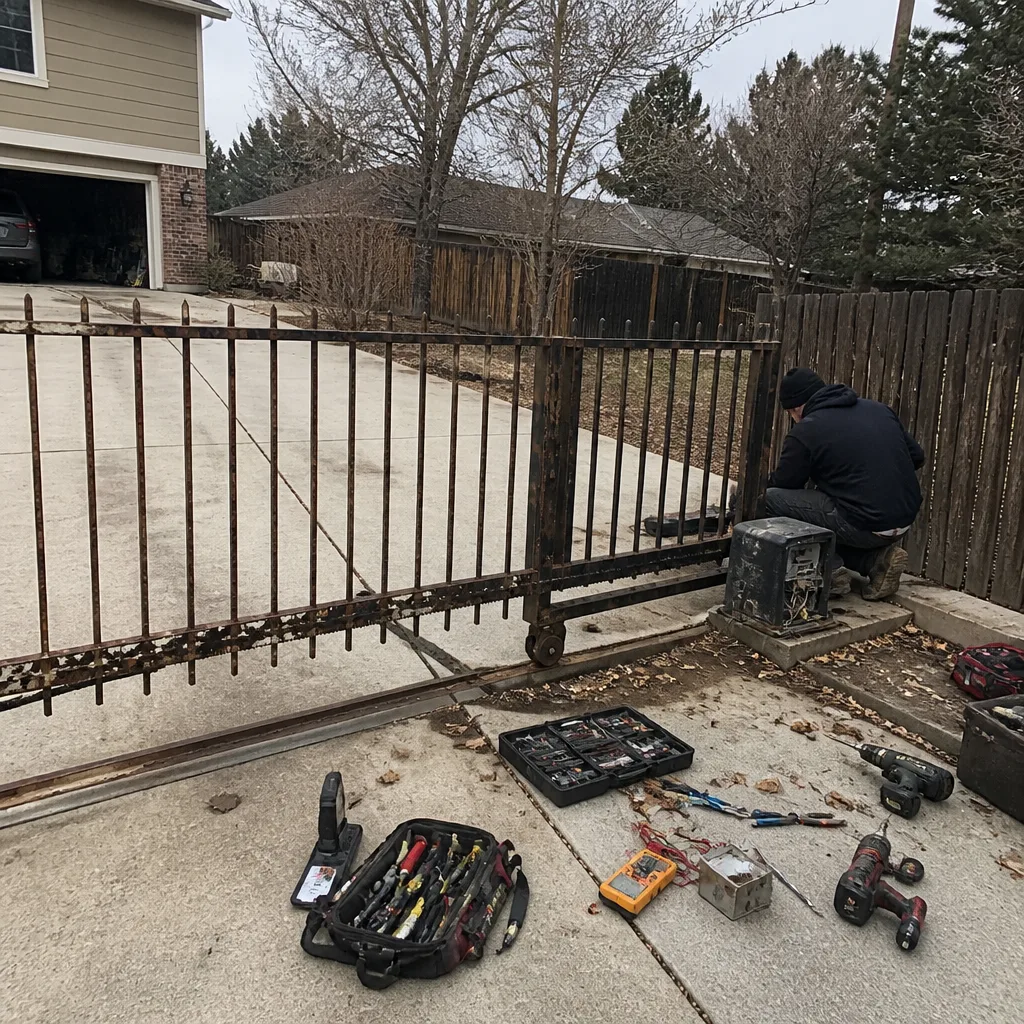 Before
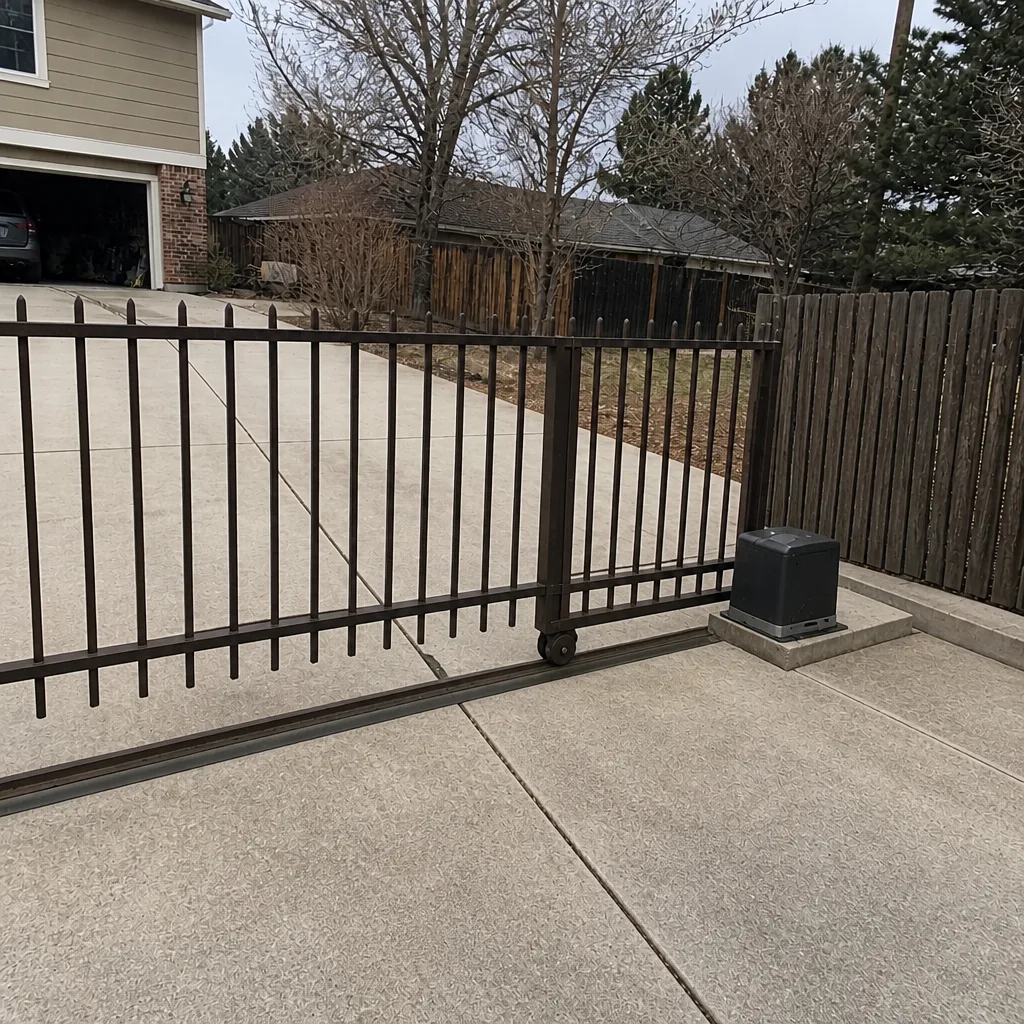 After
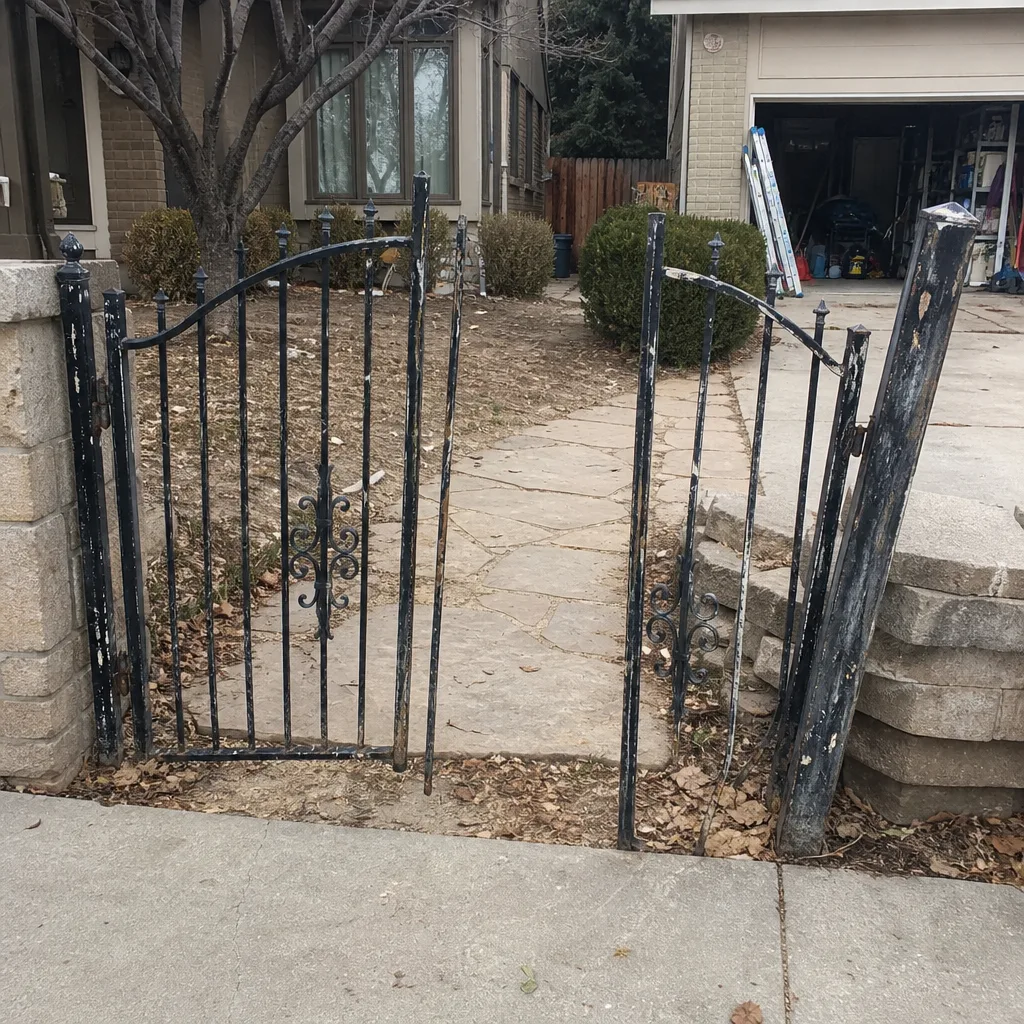 Before
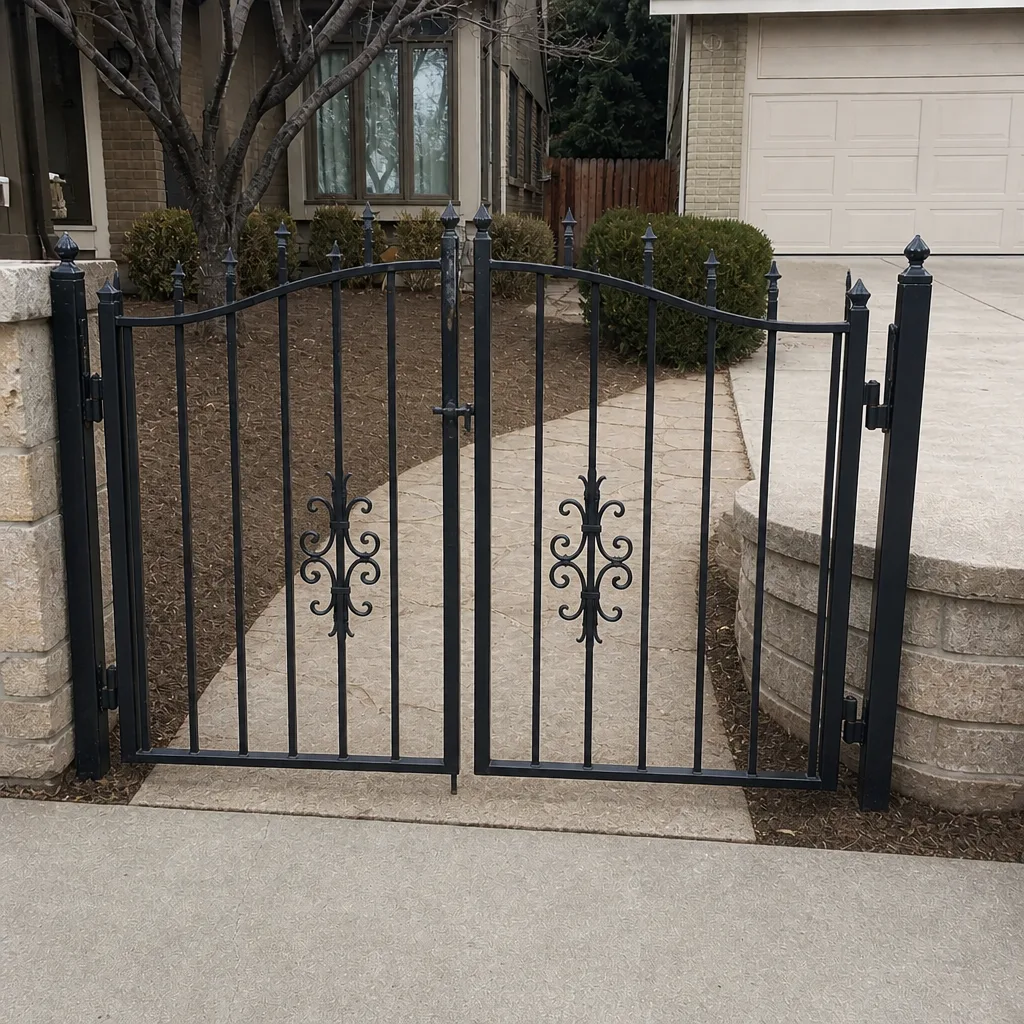 After
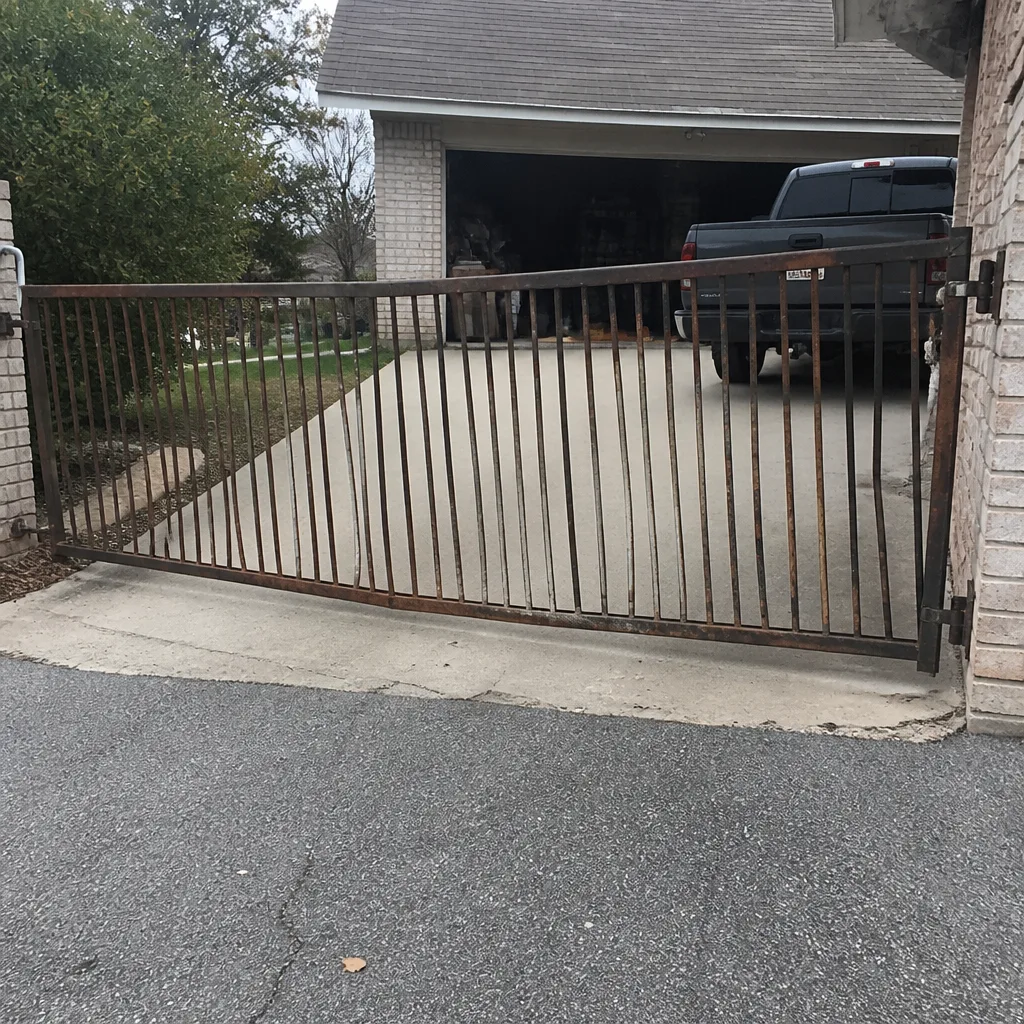 Before
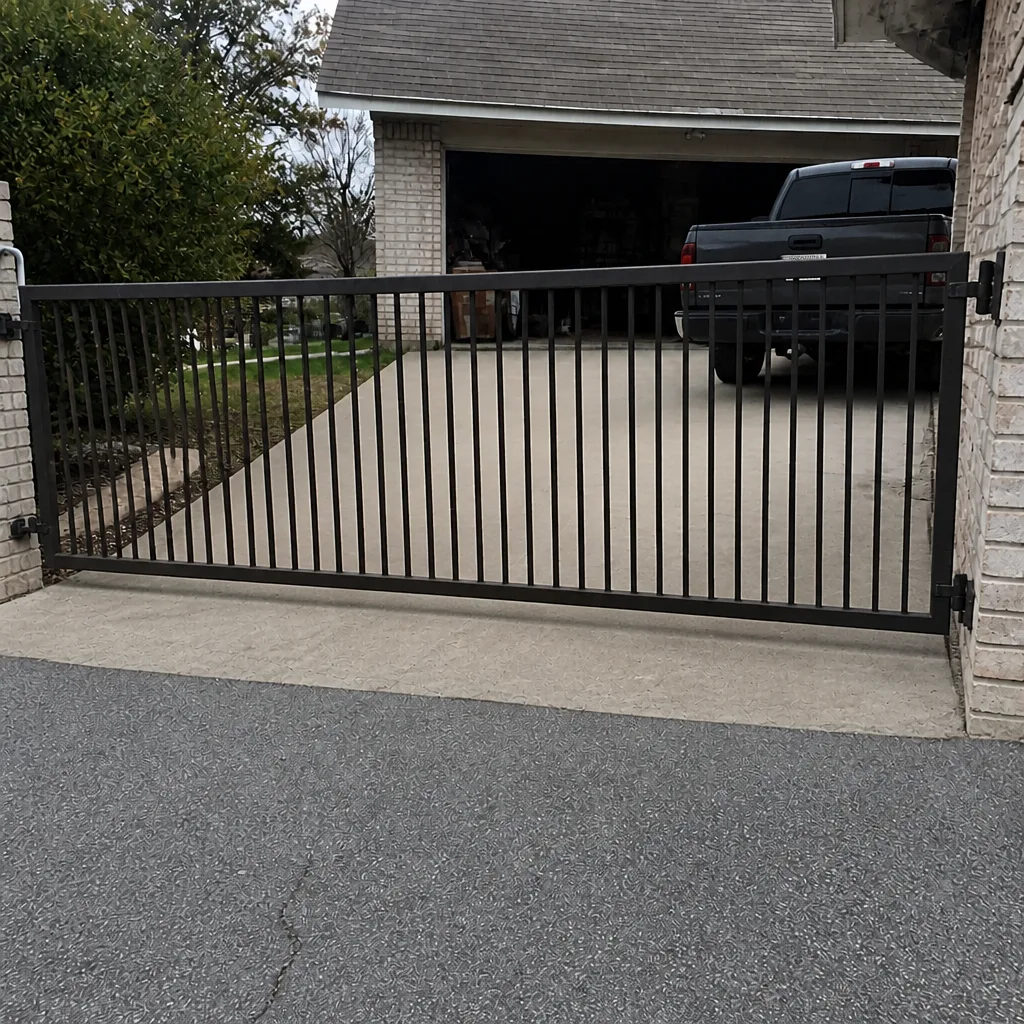 After