
Last updated November 15, 2026
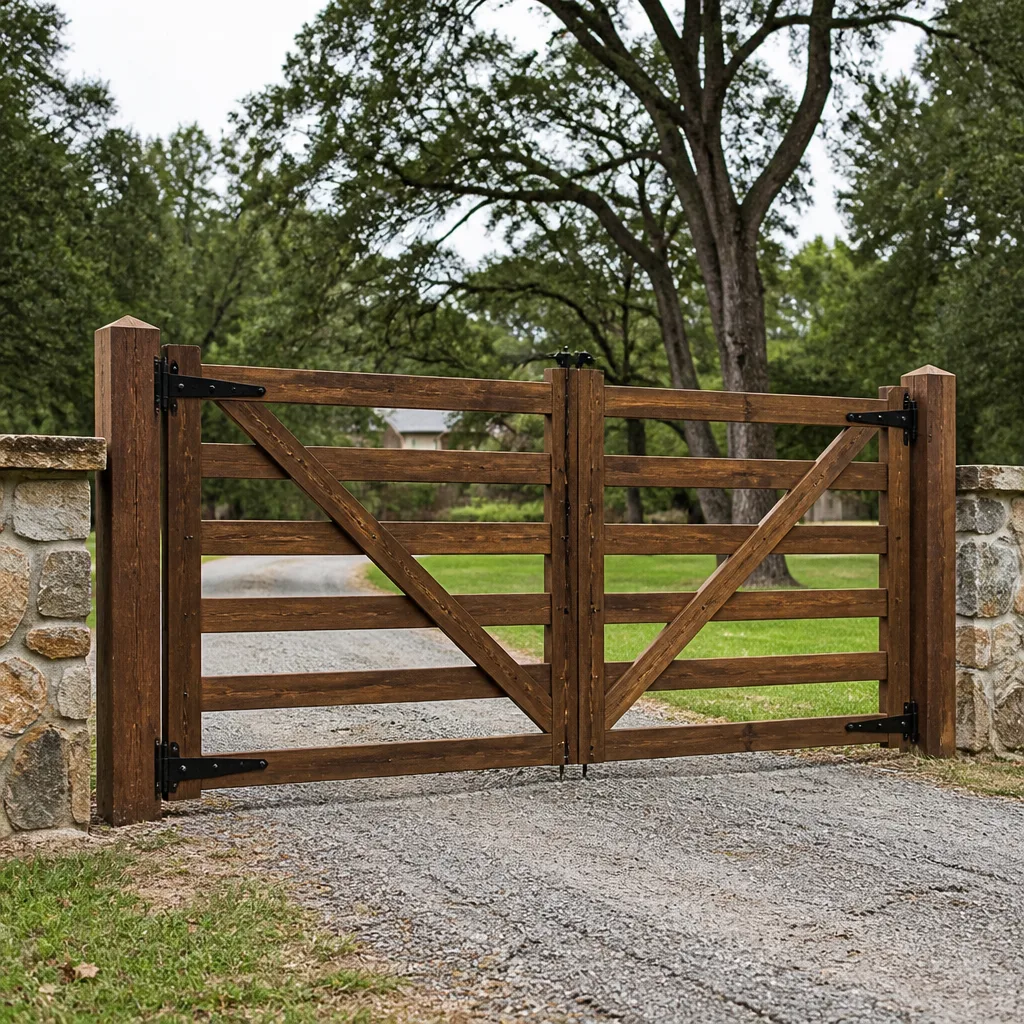 Farm & ranch
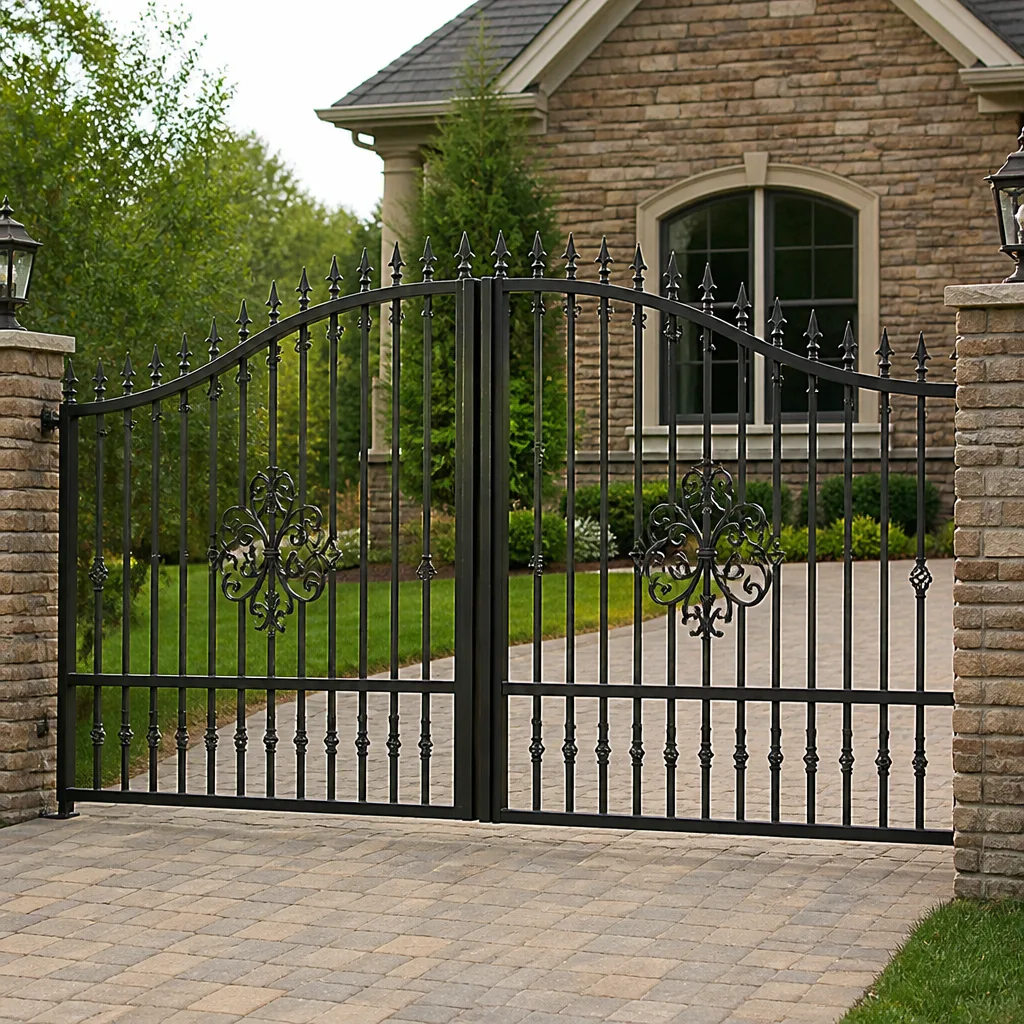 Wrought iron
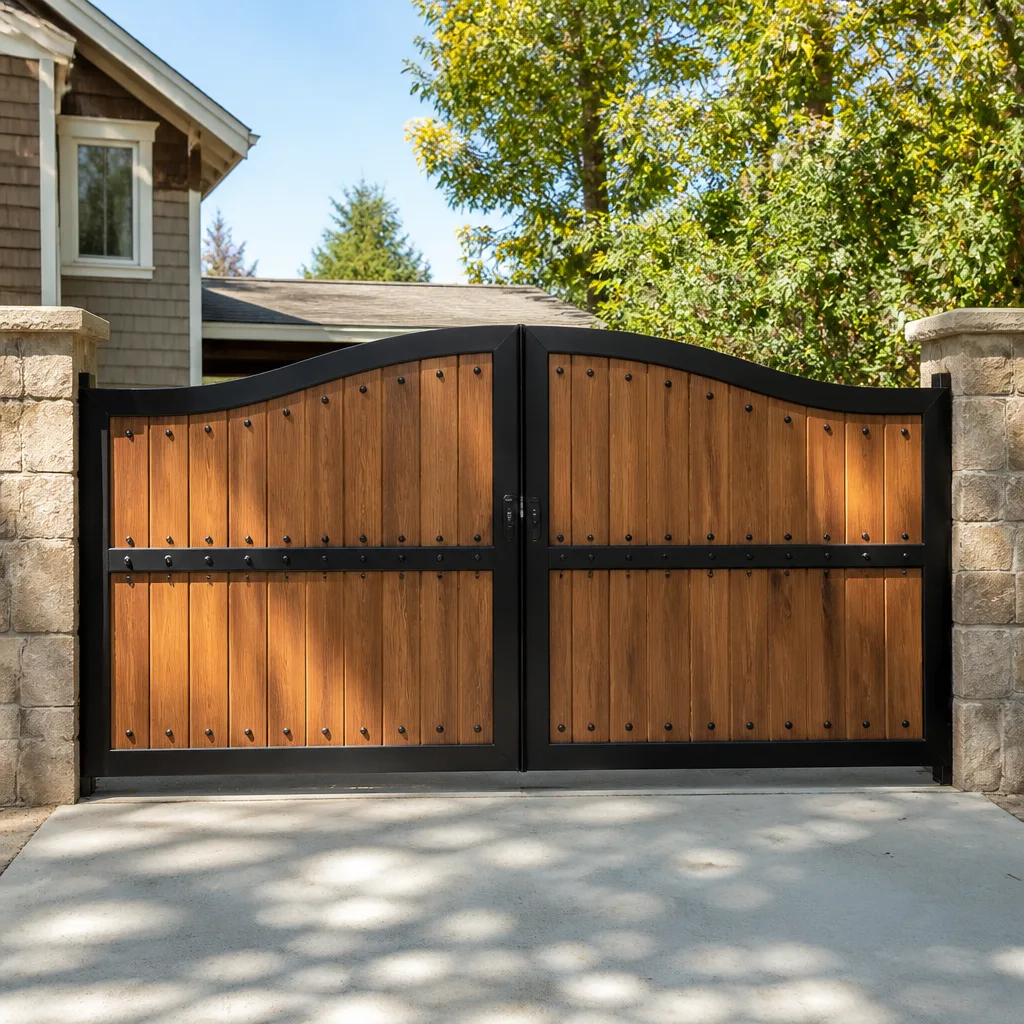 Wood & steel frame
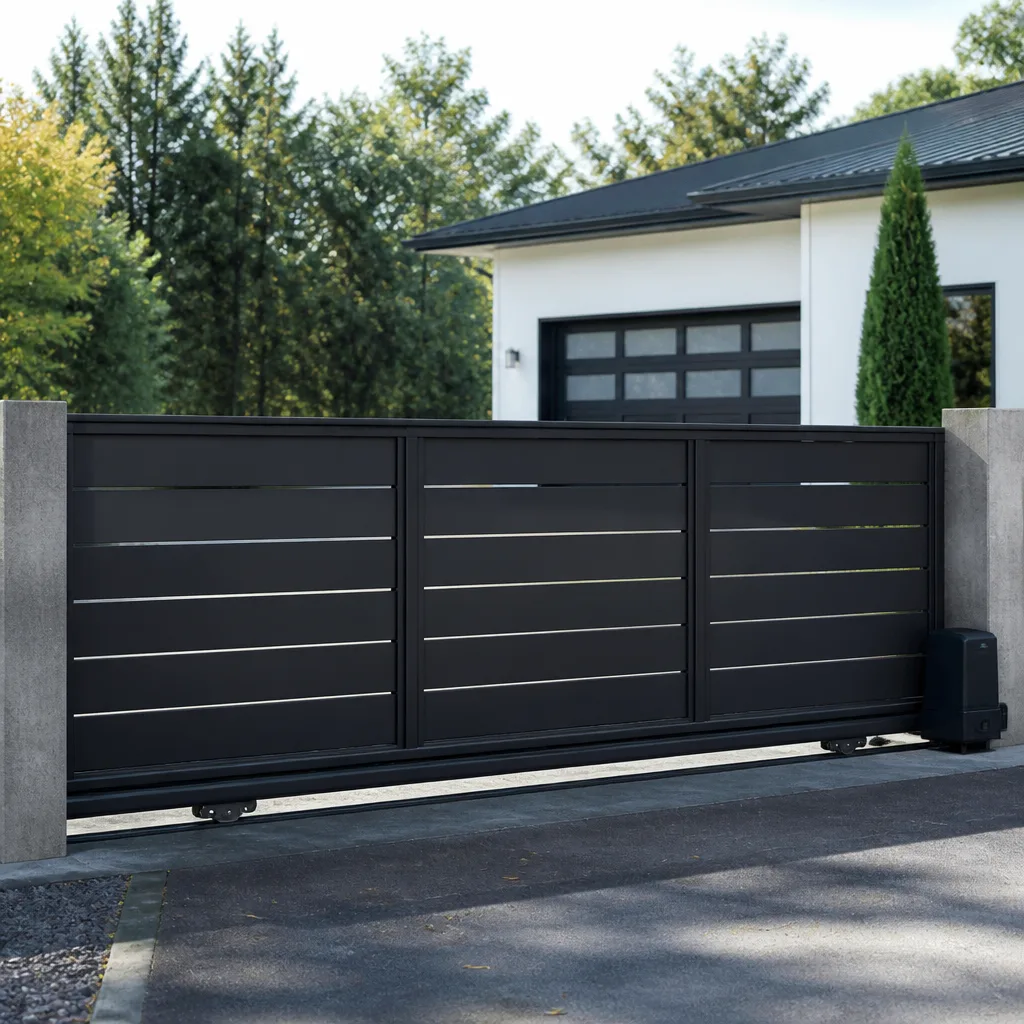 Sliding driveway gates
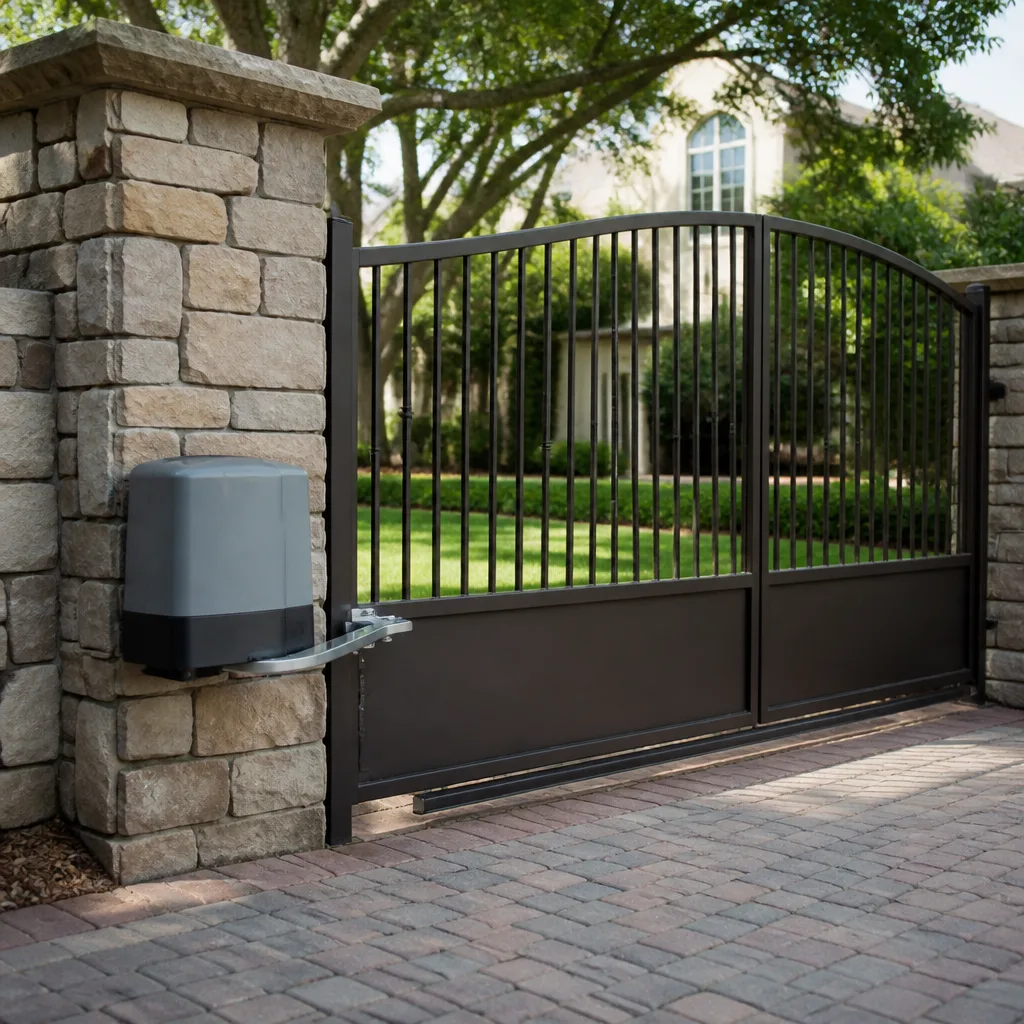 LiftMaster operators
Free on-site gate assessment - hinges, posts, and your LiftMaster or Nice gate operator checked before anything is quoted
The assessment is free and the quote is the invoice.
Get your free estimateGate Repair Warning Signs: A Highlands Ranch Homeowner’s Reference Guide
Most homeowners call us when the gate stops moving. By then, it’s not a warning sign anymore – it’s a failure. The signals that actually matter come earlier, and they’re quiet. A gate that hesitates for half a second before it opens is talking to you about your operator’s torque load. A faint grind that only happens in cold weather is telling you something about a bearing. Most people ignore these messages for months, then face a burned-out motor, a stuck gate, and a scramble to find help. This guide is about catching the small things in Highlands Ranch before they turn into the expensive ones.
Quick Answer
The warning signs that matter most on a Highlands Ranch gate are hesitation before opening, new or worsening sounds (grinding, clicking, squealing), a growing gap at the latch, a change in ground clearance, rust that’s pitted rather than surface-level, and an operator that responds inconsistently to the remote. Each sign carries a different timeline. Some give you weeks to act; others mean you’re days from a breakdown. The earlier you catch them, the more of the repair window you control.
Styles & brands we work with
- Wrought iron
- Wood & steel frame
- Farm & ranch
- Sliding driveway gates
- LiftMaster operators
Table of Contents
- What Your Gate’s Sounds Are Telling You
- Visual Alignment Checks Any Homeowner Can Do
- Rust on Ornamental Iron Gates: Structural vs. Cosmetic
- Electric Operator Warning Signs in the Control Panel and Remote
- Timeline Pressure: Which Signs Give You Weeks vs. Days
- Highlands Ranch Factors That Speed Up Wear
- A Seasonal Walk-Around Checklist
- When to Call a Professional
What Your Gate’s Sounds Are Telling You
Sound is the earliest diagnostic tool you have, and it costs nothing to use. A healthy gate makes a consistent, predictable sound every cycle. When that sound changes, something in the system has changed with it. The trick is knowing which sound points to which component, because the wrong assumption wastes time and sometimes money.
Here’s how we break it down in the field:
- Grinding usually points to the drive mechanism – a worn gear in the operator, a dry roller on a slide gate, or debris caught in the track. Grinding that starts suddenly often means something physical has shifted or dropped into the path. Grinding that builds slowly is usually wear.
- Clicking is often electrical or mechanical engagement. On a swing gate, a rhythmic click at the start of a cycle can indicate the operator is struggling to engage a limit switch or that a relay in the control board is cycling. On a slide gate, clicking near the motor housing can mean a chain or drive sprocket issue.
- Squealing is almost always friction – a dry hinge, a bearing running without lubrication, or a roller that’s seized and dragging. Squealing is the most forgiving of the three, but left alone it accelerates wear on everything it touches.
- A single loud clunk at the end of travel suggests the gate is hitting a hard stop rather than decelerating properly. That’s a limit switch or programming issue and it stresses the whole frame every cycle.
In Highlands Ranch, we hear seasonal sound changes more than most places. Cold snaps tighten metal and thicken lubricants, so a gate that’s silent in summer can grind in January. If a sound only appears in cold weather, don’t dismiss it – note when it happens and mention it when you call for gate repair. That detail alone narrows the diagnosis before anyone arrives.
Visual Alignment Checks Any Homeowner Can Do
You don’t need tools to spot most alignment problems. You need a routine and a way to compare today’s gate to the gate you had last month. These are the three checks that catch the most issues early:
- The gap check. Stand where the gate latches and look at the gap between the gate frame and the post. A healthy gap is small and consistent top to bottom. A gap that’s wider at the top than the bottom, or that’s grown since you last looked, means the gate has dropped or the post has shifted. On a swing gate, that gap change is often the first sign of hinge wear or a footing problem.
- The latch engagement check. Watch the latch as the gate closes. It should engage fully, with the bolt seating into the strike without a push. If the gate has to slam to latch, or if the latch only catches partway, the gate is out of alignment. Partial latch engagement is a security issue as well as a mechanical one – the gate can be pushed open.
- The ground clearance check. Look at the gap between the bottom of the gate and the ground or driveway. On a slide gate, clearance matters even more. If the gap has shrunk, the gate is sagging. If it’s grown, something has lifted. Either way, the change tells you the gate is no longer tracking the way it was installed.
Run these three checks once a month. It takes two minutes. In our experience, homeowners who do this catch alignment problems while they’re still a hinge adjustment rather than a full frame repair. On ornamental iron gates common throughout Highlands Ranch, the gap check is even more useful because the rigid frame makes any change easy to spot against a fixed reference point.
Rust on Ornamental Iron Gates: Structural vs. Cosmetic
Not all rust is equal, and the difference between cosmetic and structural rust is the difference between touching up paint and repairing a frame. Highlands Ranch’s dry climate slows rust compared to wetter regions, but it doesn’t stop it. What we see here is rust that starts at joints, welds, and the bottom rail where moisture collects and sits.
Here’s how to tell which kind you’re looking at:
- Surface rust is orange, powdery, and sits on top of the paint or metal. It wipes away or brushes off with a wire brush, and the metal underneath is solid. This is cosmetic. It needs attention eventually, but it isn’t a structural concern.
- Pitted rust has eaten into the metal. You can feel it with a fingernail – the surface is rough and uneven, with small craters. Pitting at a weld joint is a serious sign, because welds are where the gate carries its load. A pitted weld on a gate frame is structural.
- Rust with bubbling paint is pitting underneath. The paint is being pushed up by corrosion product. This is the stage where a gate that looks fine from ten feet away is already losing section thickness.
- Rust at the bottom rail is the one we check first on ornamental gates. The bottom rail takes the most moisture and is often the least accessible for inspection. Rust-through at the bottom rail means the gate has lost structural continuity at its lowest point.
On the HOA-common ornamental iron gates we see across Highlands Ranch, structural rust often shows up at the hinge-side post connections before it shows anywhere else. That’s because the hinge side takes the operating load every cycle, and any flex at that joint opens a path for moisture. If you see rust tracking up the hinge-side upright, have it evaluated before it reaches the frame. For gates serving HOA common areas, catching this early matters even more – a failed gate on a shared entrance is a scheduling headache as well as a repair.
Electric Operator Warning Signs in the Control Panel and Remote
The operator is the part of the gate most homeowners understand least, which is why its warning signs get missed longest. Electric gate repair is a specialty, and the signs that matter are specific. Here’s what to watch for on the control panel and with the remote:
- Range loss on the remote. If you have to get closer to the gate than you used to, or if you have to press the button twice, that’s a sign. It can be a weakening battery in the remote, or it can be a receiver losing sensitivity. Rule out the battery first, then look at the receiver.
- Inconsistent response. A gate that opens on the third press instead of the first, or that sometimes doesn’t respond at all, is showing sensor drift or a signal issue. This is a classic early warning that gets attributed to “the remote acting up” for months before anyone checks the operator.
- Error codes or blinking lights on the panel. Most operators – LiftMaster, FAAC, BFT, and others – use LED codes to indicate faults. If you see a light pattern that wasn’t there before, write it down. That code can shortcut the diagnosis considerably.
- Slow or labored travel. If the gate opens more slowly than it used to, or if it seems to struggle at one point in its travel, the operator is working harder than it should. That’s torque load, and it’s the same signal as the hesitation at the start of a cycle – a sign that something is binding or the motor is losing capacity.
- Limit switch drift. If the gate stops short of full open or full close, or reverses before it reaches the end, the limit switches have drifted or worn. Left alone, this puts constant stress on the gate frame and the operator’s clutch.
- Battery degradation on solar or battery-backup systems. If the gate runs fine on mains power but struggles on backup, the battery is the suspect. Battery capacity fades gradually, and the first sign is often a gate that fails during a power event when it should have ridden through it.
If your gate uses an operator from Mighty Mule, LiftMaster, FAAC, or BFT, the good news is that these are well-documented systems with predictable failure patterns. A technician who works on the brand regularly can often read the panel and know the likely cause before touching the gate. That’s the difference between electric gate repair done right and a guess-and-replace approach.
Timeline Pressure: Which Signs Give You Weeks vs. Days
Not every warning sign is equally urgent. Knowing which ones give you time and which ones don’t is the whole point of watching them. Here’s how we rank them by how much of a window you have:
- Weeks of warning: Gradual squealing, cosmetic surface rust, remote range loss (with a fresh battery ruled out), and minor gap changes. These are real issues, but you have time to schedule a repair rather than react to a failure.
- Days of warning: Grinding that’s new or worsening, hesitation before opening, partial latch engagement, and limit switch drift that’s causing the gate to stop short. These can turn into a stuck gate within a week or two, and the longer they run, the more they cost to fix.
- Hours of warning: A gate that clunks hard at the end of travel, rust-through at a hinge weld, an operator that trips repeatedly on the same cycle, or a gate that’s off its track. These are the ones that fail without much notice. If you see any of these, stop cycling the gate and get it looked at.
The hesitation-at-opening sign deserves special mention because it sits right at the boundary between days and hours. A gate that hesitates for half a second is one thing. A gate that hesitates and then moves slowly, or that hesitates more each week, is telling you the operator’s torque load is climbing. That’s a motor working harder than it was designed to. It can run that way for a while, but every cycle takes life off the motor. When it finally fails, it fails completely.
Highlands Ranch Factors That Speed Up Wear
Highlands Ranch has a few local characteristics that make certain warning signs show up faster than they would elsewhere. Knowing them helps you know what to watch:
- Temperature swings. Highlands Ranch sees wide day-to-night temperature variation through much of the year. Metal expands and contracts, and that cycling works on hinges, welds, and the gate frame. It also stresses lubricants – a gate that’s properly lubricated in summer can run dry in a cold snap. The gap check and the sound check are your best tools for catching this.
- Dry air and dust. The dry climate is easier on metal than a wet one, but dust and grit still find their way into rollers, tracks, and hinge pins. On slide gates especially, grit in the track is a common cause of grinding. A periodic cleaning of the track surface goes a long way.
- Wind exposure. Open exposures in Highlands Ranch mean gates take wind load, particularly large ornamental iron gates with a lot of surface area. Wind load works on the hinges and the frame every time it gusts. A gate that’s slightly out of alignment will be pushed further out by wind. If your gate faces an exposed side, check the gap and latch more often.
- HOA ornamental iron gates. The ornamental iron gates that serve many Highlands Ranch HOAs and shared entrances are heavier and more rigid than a typical residential gate. That weight is a benefit for security and a stress point for hinges, posts, and operators. On shared gates, the cycle count is higher too, which means wear accumulates faster than a gate on a single driveway.
If you’re in Highlands Ranch and your gate lives on an exposed side of the property, treat the monthly walk-around as non-negotiable. The wind and the temperature swings will find any weakness in the alignment, and the earlier you catch it, the cheaper it is to correct.
A Seasonal Walk-Around Checklist
This is the routine we recommend to homeowners who want to stay ahead of gate problems. Run it once a season, and it takes about ten minutes:
- Listen to a full cycle. Open and close the gate once, and listen. Note any new sound and when it happens – at the start, at the end, or throughout.
- Watch the hesitation. Does the gate start moving the instant the operator engages, or is there a pause? A consistent half-second pause that’s been there since installation is one thing. A pause that’s new or growing is a sign.
- Check the gap at the latch. Look at the gap top to bottom. Note whether it’s changed since last season.
- Watch the latch engage. It should seat without a slam. Partial engagement is a fail.
- Check ground clearance. Look at the gap under the gate. Note any change.
- Inspect the bottom rail and hinge-side uprights for rust. Pitting, bubbling paint, or rust-through at a weld is structural.
- Test the remote from your usual distance. If range has dropped, replace the battery and test again. If range is still short, note it.
- Look at the control panel. Any new LED codes or blinking patterns? Write them down.
Keep a simple log. A line per season with what you saw is enough. When something does need attention, that log turns a vague “it’s been acting up” into a specific timeline, and that makes the repair faster. You can read more about the area and how we approach work in Highlands Ranch on our local page.
Common Mistakes to Avoid
- Waiting for the gate to fail completely. A gate that won’t move is a failure, not a warning. Waiting for that point means you’ve already lost the repair window and you’re now reacting to an emergency. Act on the hesitation and the grinding while they’re still small.
- Assuming a new battery fixes everything. Replacing the remote battery is a good first step when range drops, but if the problem persists, the issue is in the receiver or the operator, not the remote. Don’t keep buying batteries.
- Ignoring a sound that only shows up in cold weather. Highlands Ranch cold snaps expose lubricant and bearing problems that stay hidden in summer. A sound that appears only in the cold is still a sound, and it will get worse.
- Treating all rust as cosmetic. Surface rust and pitted rust are different problems. Pitting at a weld or the bottom rail on an ornamental iron gate is structural, and painting over it hides the problem rather than fixing it.
- Forcing a gate that’s off its track. If a slide gate has come off its track or a swing gate is dragging, stop cycling it. Forcing it can bend the frame or damage the operator, turning a track repair into a full replacement.
- Letting a hesitant operator run “just a little longer.” Every cycle a struggling motor runs takes life off it. The hesitation is the motor asking for help. Ignoring it is how a repair turns into a replacement.
- Skipping the walk-around because the gate “seems fine.” The whole point of this guide is that the signs are subtle. A gate that seems fine from the driveway can have a growing gap at the latch and pitting at the hinge weld. The walk-around is what catches it.
When to Call a Professional
Some signs are yours to watch and some are the point at which you stop watching and call. Call us when the gate hesitates and then moves slowly, when grinding is new or worsening, when the latch only partly engages, when you see pitting or rust-through at a weld or the bottom rail, when the control panel shows error codes, or when the gate has stopped tracking properly on its track. These are the signs where the repair window is measured in days, and the sooner a technician looks at it, the more of the gate you save.
Safety matters here too. A heavy ornamental iron gate or a slide gate is a lot of mass to be moving on its own. If a gate is binding, dragging, or off its track, don’t try to force it by hand or reach into the operator’s path to “help” it along. Stop cycling it and let a trained technician handle it.
Stratford Gate Repair offers free estimates in Highlands Ranch – call (866) 509-8380. Our technicians have up to experience, and we work on the brand you already have, from Mighty Mule and LiftMaster to FAAC and BFT systems. Whether the gate needs a hinge adjustment or a full operator replacement, one call covers diagnosis, repair, and installation if it comes to that.
Frequently Asked Questions
Hesitation before opening is the most common early sign we see. A gate that pauses for half a second before it moves is showing increased torque load on the operator, and that’s a sign something is binding or the motor is losing capacity. It’s easy to ignore because the gate still works, but it’s the earliest reliable signal. Call (866) 509-8380 for an exact quote – estimates are free.
Grinding usually gives you days to a couple of weeks, not months. New grinding that’s getting worse each cycle is the urgent kind, because whatever is grinding is wearing down faster the longer it runs. If the grinding is in the operator itself, waiting can turn a gear replacement into a motor replacement. Call us and we’ll take a look – we answer 24/7.
Structural rust is pitted, meaning you can feel craters with a fingernail, and bubbling paint means pitting underneath. Cosmetic rust is orange, powdery, and wipes off with solid metal underneath. Rust-through at a weld or the bottom rail is always structural. On the HOA ornamental iron gates common in Highlands Ranch, check the hinge-side uprights first.
Range loss is usually a battery problem in the remote first, so replace that and test. If range is still short, the issue is in the receiver or the operator, and that points to sensor drift or a signal fault. On LiftMaster, Mighty Mule, and other operators, this is a known pattern that a technician can diagnose quickly. Call (866) 509-8380 for an exact quote.
Wide temperature swings and wind exposure do speed up wear on gates here. The cold snaps tighten metal and thicken lubricants, which is why some sounds only show up in cold weather, and wind load works on hinges and frames every time it gusts. Dry air slows rust compared to wet climates, but it doesn’t stop it at joints and bottom rails.
Many electric gate repairs can be handled the same day. We answer 24/7 and run fast dispatch from 7am to 7pm, Sunday through Friday. We’re closed Saturday. When you call, describe the warning signs you’ve noticed – hesitation, sounds, gap changes, error codes – and that helps us come prepared. Estimates are free, and the price is set by the written estimate before any work starts.
The Bottom Line
The warning signs that matter aren’t the ones that stop your gate. They’re the ones that tell you it’s about to. Hesitation, new sounds, a growing gap at the latch, pitted rust at a weld, error codes on the panel – each one is a signal with its own timeline, and catching it early is what keeps a repair from becoming a replacement or an emergency. Run the seasonal walk-around. Keep a log. And when a sign points to days rather than weeks, call. Stratford Gate Repair is a gate specialist, not a generalist, and we’ll help you read what your gate is telling you. Call (866) 509-8380 for a free estimate. We answer 24/7. Fast dispatch from 7am to 7pm, Sunday through Friday.
Written by the team at Stratford Gate Repair.
See the difference
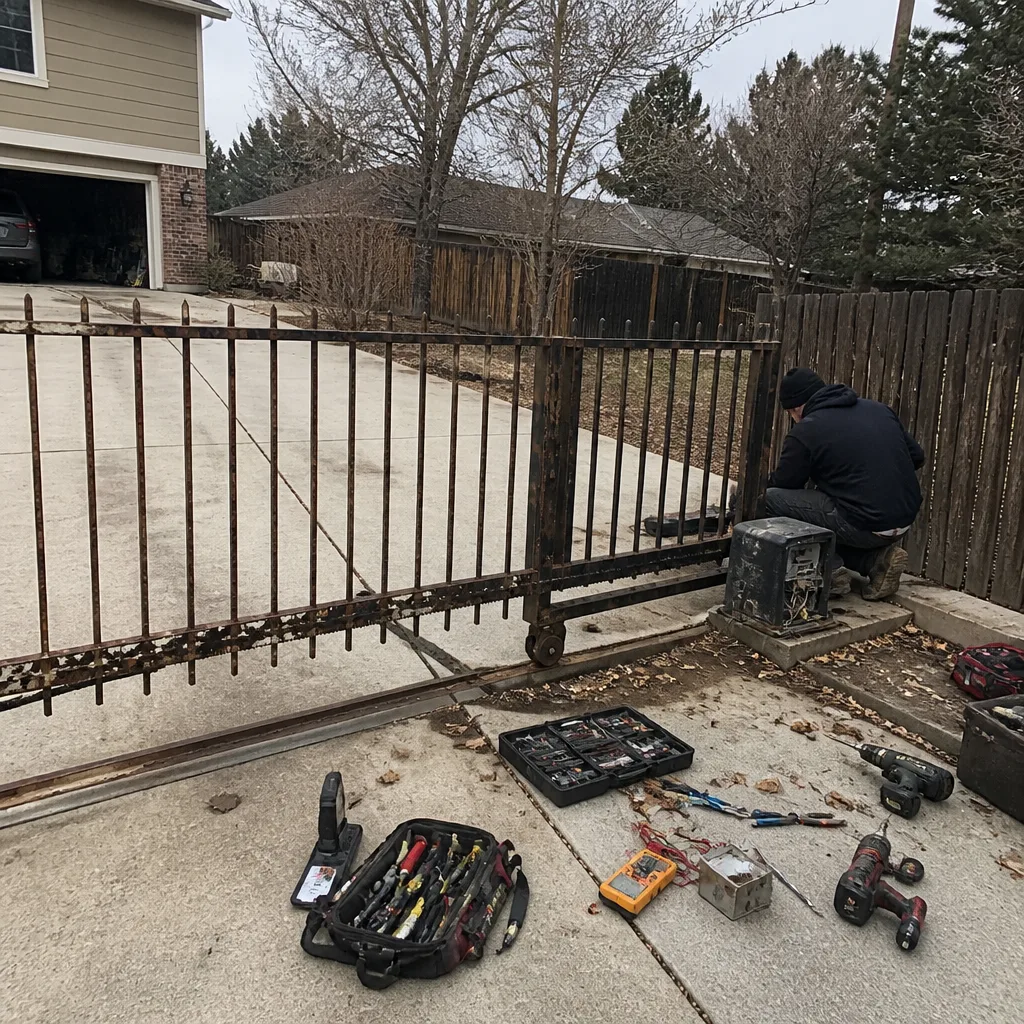 Before
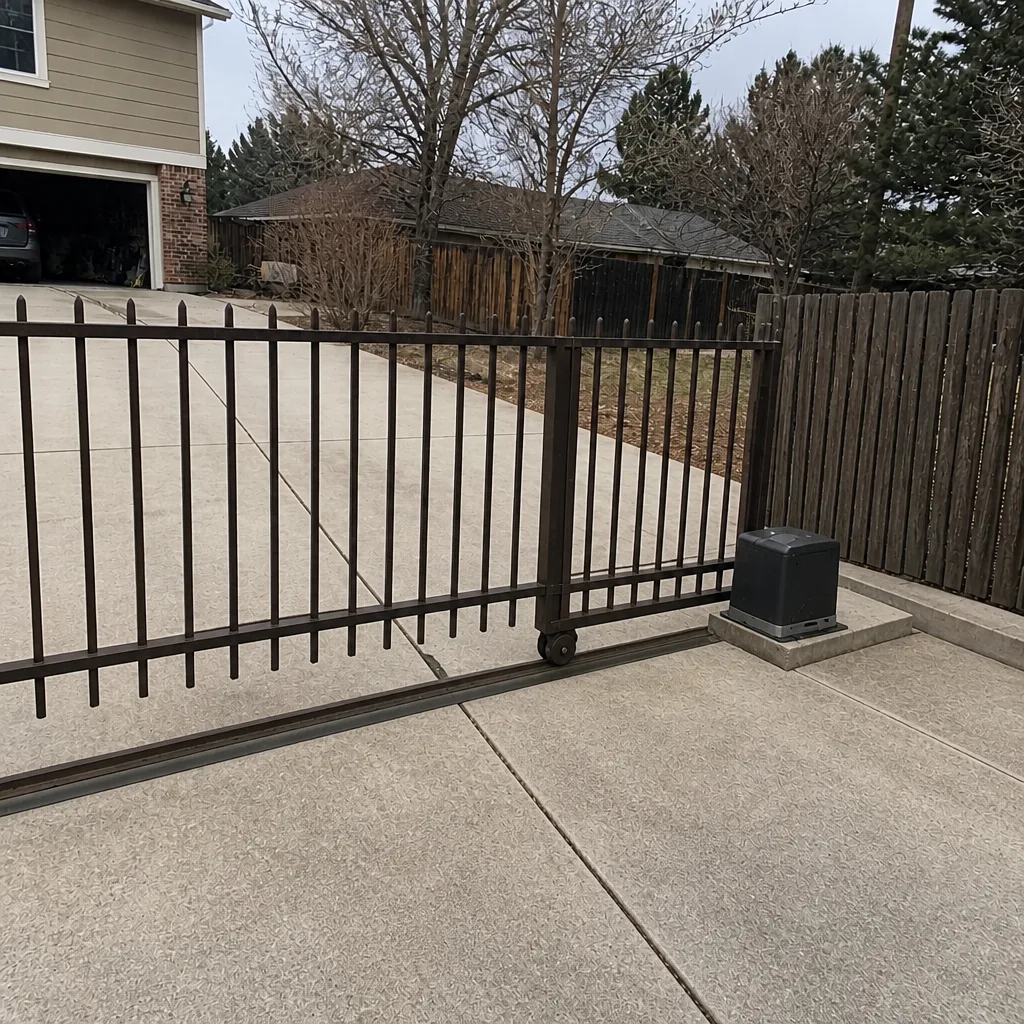 After
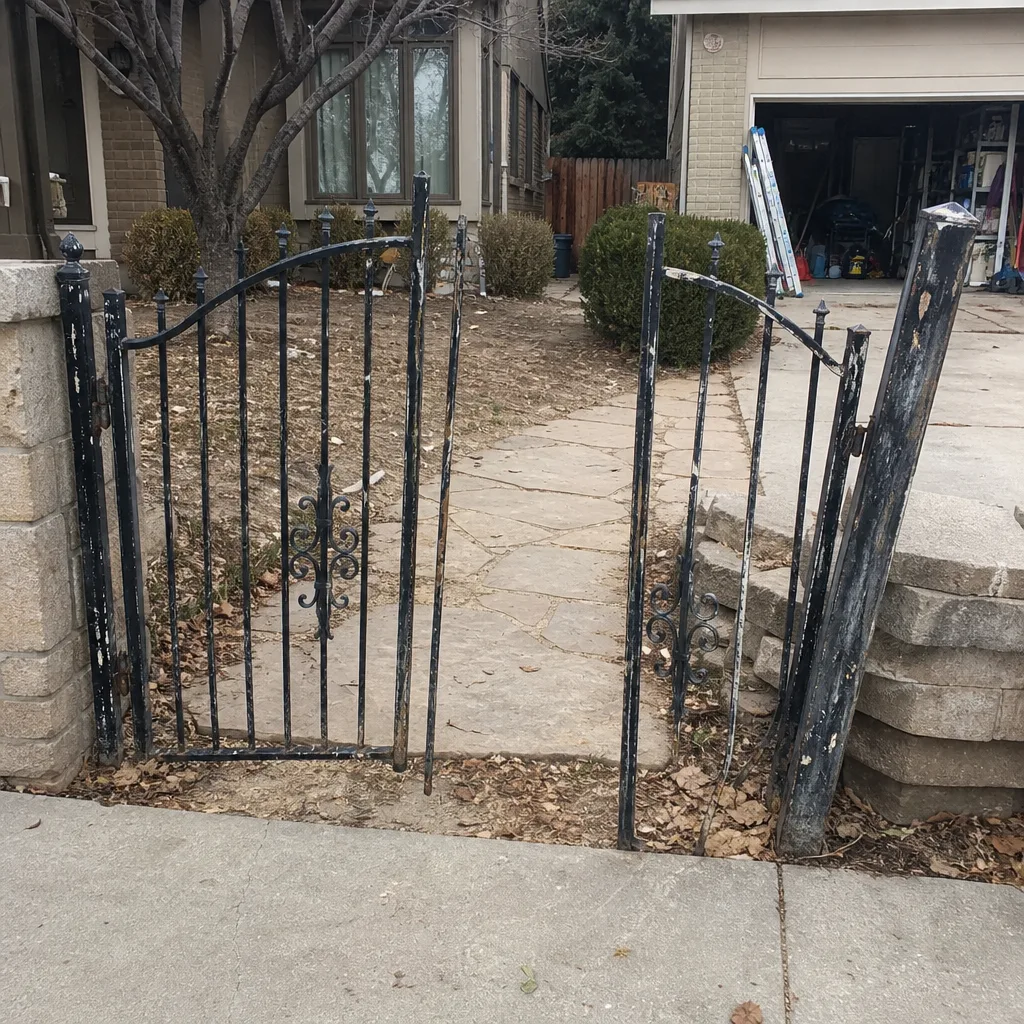 Before
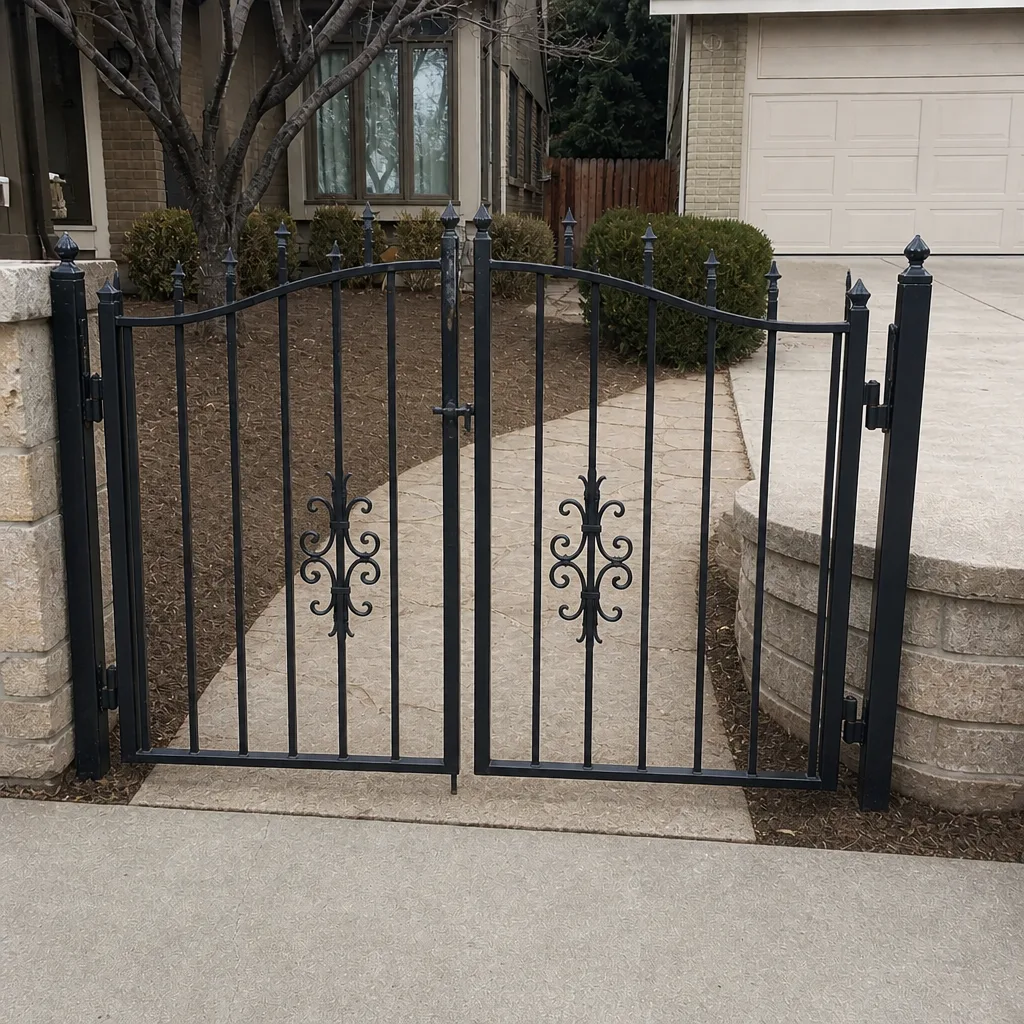 After
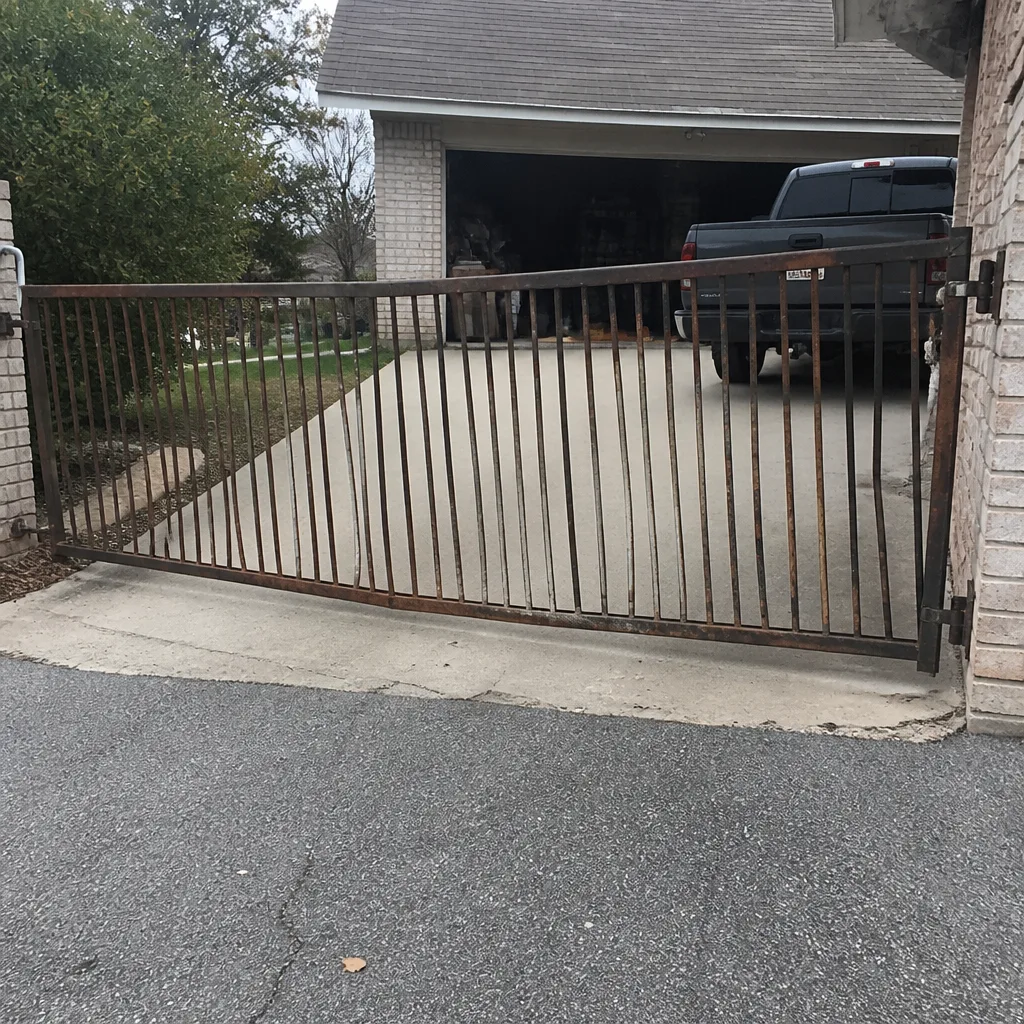 Before
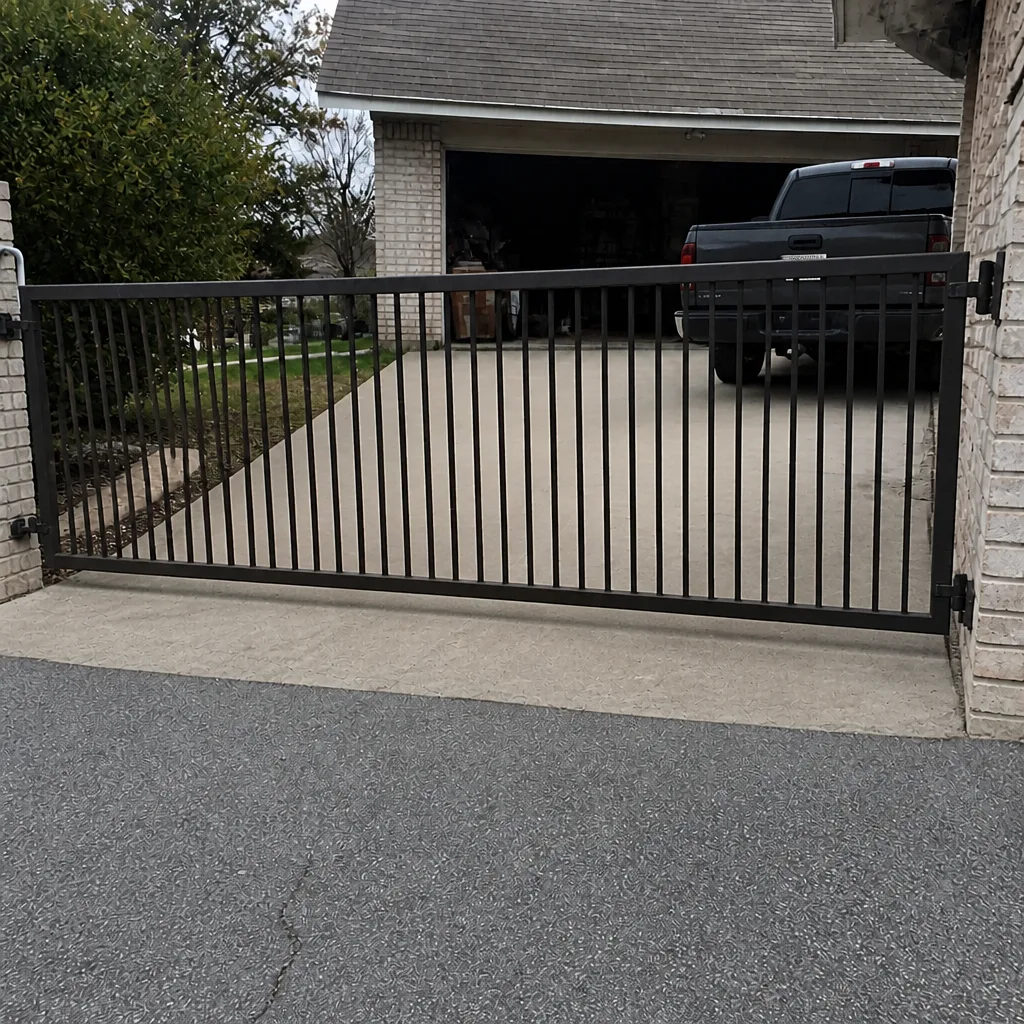 After